A new study reveals that the common antidepressant fluoxetine doesn’t just boost serotonin—it fundamentally alters the energy and structure of crucial brain cells, making the adult brain more adaptable.
For decades, the story of antidepressants like fluoxetine (best known as Prozac) has been centered on serotonin. The prevailing theory was that by increasing the availability of this key neurotransmitter, these drugs could alleviate the symptoms of depression. While this is part of the picture, scientists have long suspected there’s a deeper, more complex mechanism at play. A recent study published in Neuropsychopharmacology pulls back the curtain, revealing how fluoxetine initiates a remarkable renovation project within the brain, targeting a specific set of neurons that act as the conductors of our neural orchestra.
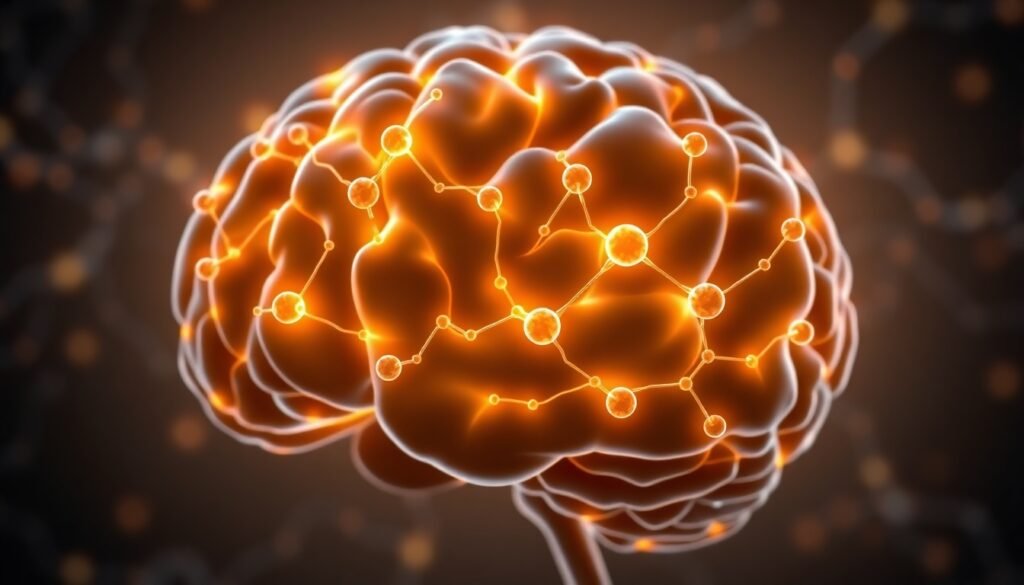
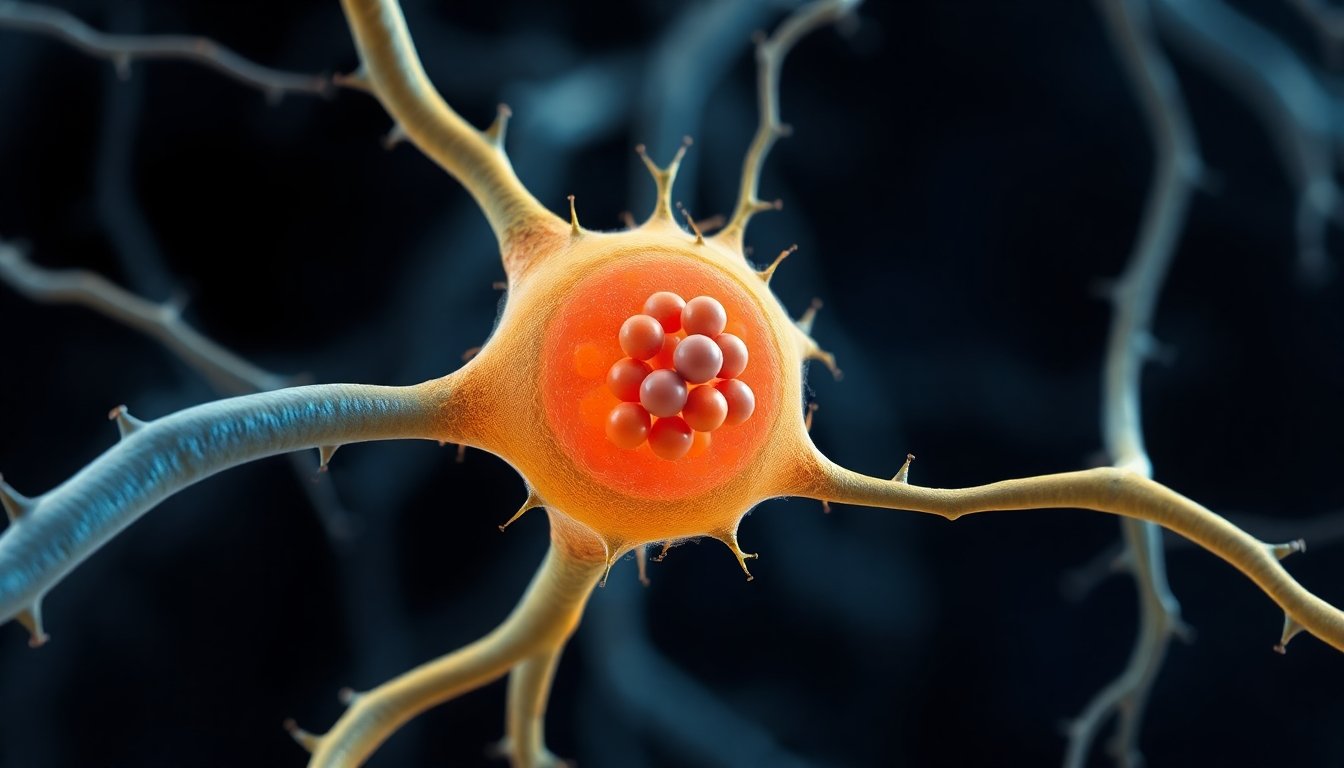
The research focuses on the prefrontal cortex (PFC), the brain’s executive hub responsible for decision-making, emotional regulation, and cognitive flexibility. Within the PFC, a special class of inhibitory neurons called parvalbumin-positive interneurons (PV-INs) are critical for maintaining balance and coordinating brain activity. These cells are the fast-spiking pacemakers of the cortex, firing rapidly to synchronize local circuits. This high-performance job comes at a cost: PV-INs are among the most metabolically active cells in the brain, demanding a constant, massive supply of energy.
Given their importance, a team of neuroscientists asked a crucial question: What does chronic treatment with fluoxetine actually do to these high-energy PV-INs? To find out, they embarked on a detailed investigation into the molecular and structural changes within these specific cells in mice.
Spying on the Inner Workings of a Neuron
To isolate the effects of fluoxetine on PV-INs, the researchers used a sophisticated technique called Translating Ribosome Affinity Purification (TRAP). This method allowed them to "fish out" only the genetic messages (mRNA) that were being actively translated into proteins inside PV-INs, giving them an exclusive look at the cell’s operational blueprint. After treating mice with fluoxetine for two weeks, they analyzed these genetic messages and made a series of startling discoveries.
The first major finding was an energy paradox. The analysis revealed a coordinated downregulation of genes related to mitochondrial function. Mitochondria are the cell’s power plants, and the genes being turned down were responsible for building the machinery of the electron transport chain—the core process of energy production. Genes for building the mitochondria’s own ribosomes were also suppressed. Logically, this should lead to an energy crisis in these already energy-hungry neurons.
But when the scientists measured the actual energy currency of the cell, ATP, they found that its levels remained stable. Even more surprisingly, they discovered that the amount of mitochondrial DNA (mtDNA) within the PV-INs of the prefrontal cortex had increased. This suggests a fascinating compensatory mechanism. Even as the primary genetic instructions for energy production were being dialed down, the cells appeared to be boosting their mitochondrial reserves to maintain energy homeostasis. It’s a complex balancing act, hinting that fluoxetine initiates a fundamental shift in cellular strategy rather than a simple power-down.

Loosening the Brakes on Brain Plasticity
Beyond the energy puzzle, the study uncovered profound changes related to brain plasticity—the ability of neural circuits to reorganize and adapt. Mature PV-INs are typically encased in dense structures called perineuronal nets (PNNs). These extracellular matrix assemblies act like molecular brakes or scaffolding, stabilizing mature connections and restricting further change. While crucial for efficient brain function, these PNNs are also a barrier to the kind of rewiring needed to recover from conditions like depression.
The study found that chronic fluoxetine treatment significantly reduced the intensity of these PNNs in key areas of the prefrontal cortex, including the prelimbic and anterior cingulate areas, which are involved in emotional regulation and cognitive flexibility. By degrading this restrictive scaffolding, fluoxetine effectively loosens the brakes on plasticity, creating a window of opportunity for the brain to remodel its circuits.
This shift towards a more adaptable state was also reflected in the PV-INs themselves. The researchers observed that fluoxetine treatment led to a decrease in the number of PV-INs expressing very high levels of the parvalbumin protein. Previous work has shown that lower PV expression is associated with a more immature, plastic, or "juvenile-like" state. In essence, fluoxetine appears to be nudging these critical inhibitory neurons back toward a state where they are more open to change.
This was complemented by the upregulation of genes involved in ion transport, intracellular signaling, and synaptic remodeling. The brain, it seems, was reallocating its resources—scaling back on general energy and protein production while ramping up the specific tools needed for structural and functional change.
A New Picture of Antidepressant Action
Taken together, these findings paint a new, more nuanced picture of how fluoxetine works. The drug doesn’t just provide a simple chemical boost. Instead, it triggers a complex, cell-specific program that shifts key inhibitory neurons into a "plasticity-permissive" state. By downregulating metabolic pathways while simultaneously weakening structural constraints and upregulating remodeling genes, fluoxetine prepares the brain’s executive circuits to be reshaped by experience.
This mechanism helps explain why the therapeutic effects of SSRIs often take weeks to manifest and why they are often most effective when combined with psychotherapy. The drug opens a window for plasticity, and therapy provides the meaningful experience needed to guide the rewiring of circuits underlying mood and cognition.
This research moves the conversation beyond serotonin, offering a deeper understanding of the cellular and molecular foundations of antidepressant treatment. By revealing how fluoxetine remodels the very structure and energy profile of the brain’s key conductors, it opens up new avenues for developing more targeted and effective therapies for neuropsychiatric disorders.
Reference
Jetsonen, E., Llach Pou, M., Didio, G., Winkel, F., Kuczynski-Noyau, L., Hen, R., & Castrén, E. (2024). Chronic treatment with fluoxetine regulates mitochondrial features and plasticity-associated transcriptomic pathways in parvalbumin-positive interneurons of prefrontal cortex. Neuropsychopharmacology. https://doi.org/10.1038/s41386-024-02219-8