New research reveals the psychological conflict we face when sharing our acts of kindness, especially online, and why we mistakenly believe others don’t feel the same way.
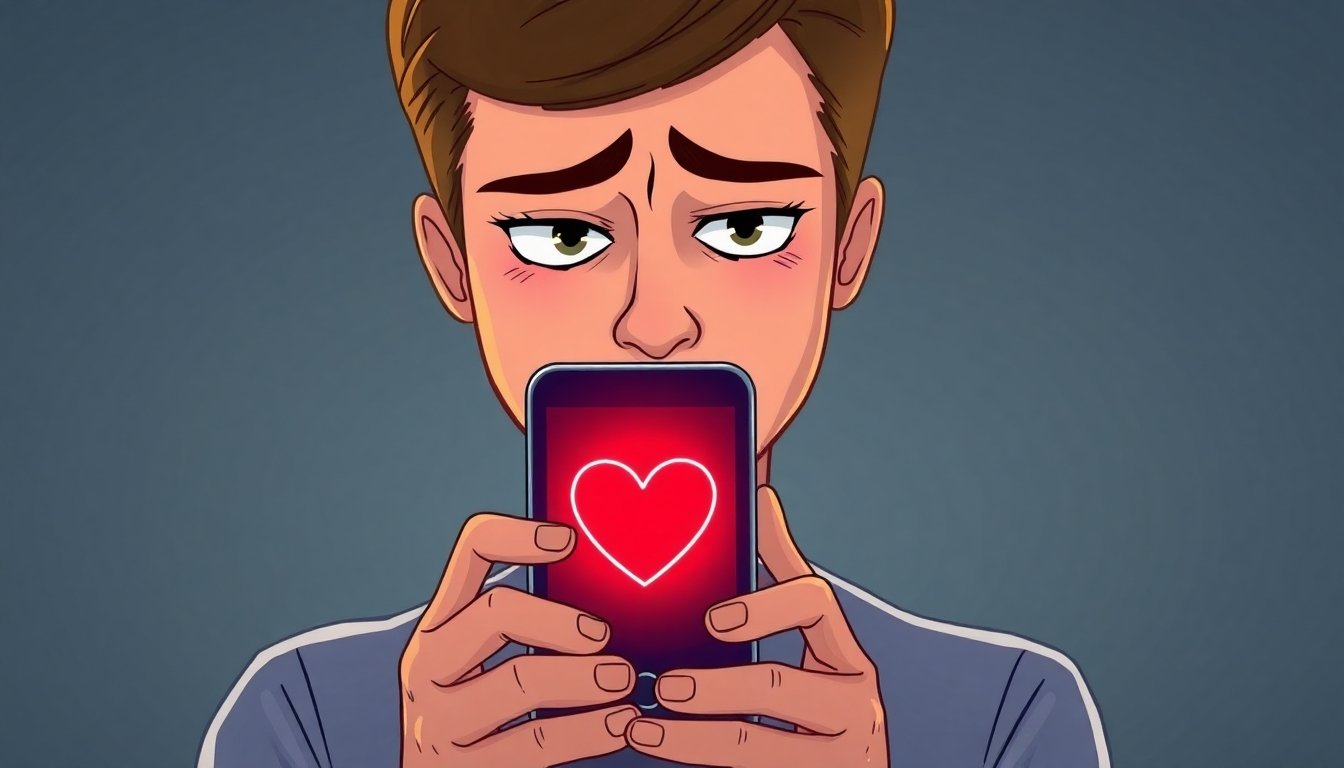
Imagine this: you’re dashing into a grocery store on your way to a dinner party. Outside, a man asks if you could spare some food. You oblige, buying him a few items. The recipient is deeply grateful, and you walk away with that distinct “warm glow” that comes from helping someone. It’s a great feeling, and you consider sharing the story with your friends at the party. But then, a strange, almost icky feeling takes over. You hesitate. The story suddenly feels self-serving, like a brag disguised as a benevolent tale. You decide to keep it to yourself.
This exact scenario happened to Jerry Richardson, a doctoral candidate in psychology at Cornell University. The experience was so perplexing that it prompted him and his colleagues to investigate a fundamental question: How do we really feel about sharing our own good deeds? The answer, it turns out, is far more complicated than you might think.
In a paper titled “The Do-gooder Dilemma,” published in the Journal of Experimental Social Psychology, Richardson and his co-authors—Paul Bloom, Shaun Nichols, and David Pizarro—unpacked this common yet rarely discussed phenomenon. Through a series of five distinct studies involving several hundred participants, they explored the emotional consequences of publicizing our own altruism.
The researchers asked participants to recall two different types of past events: a good deed they had performed, such as giving to someone in need, and a personal achievement, like receiving a job promotion. They then rated how happy, proud, ashamed, and embarrassed they felt about each act. Finally, they were asked to imagine how they would feel if they told a friend about these acts, and how they would feel posting about them on social media.
The results were stark and consistent. Participants overwhelmingly predicted that they would feel more ashamed and embarrassed when telling others about their good deeds. In contrast, they anticipated feeling more proud and happy when sharing their personal achievements. The simple act of communicating an altruistic act seemed to strip away the positive emotions associated with it, replacing them with a sense of discomfort.
So, why does sharing a story of kindness feel so bad? The researchers suspect it boils down to a deep-seated fear of reputational damage. We are highly attuned to social perception, and we worry that publicizing a good deed will make others question our motives.
“Our suspicion is that people are just aware of the fact that, if they talk about these good deeds that they’ve committed, people might think that they were motivated by the social credit, the reputational boost, that they would get,” Richardson explained. In other words, we fear that the act will no longer be seen as purely altruistic, but rather as a calculated move to appear virtuous. This perceived judgment can be so powerful that it “washes away the warm glow of the altruistic act,” as the researchers wrote.

This emotional penalty becomes even more severe in the digital age. The study found that participants predicted feeling significantly worse when sharing a good deed on social media compared to simply telling a friend. The broad, often impersonal audience of a social media platform, combined with the permanence of a post, intensifies the fear of being seen as self-serving or engaging in “virtue signaling.” The risk of misinterpretation looms much larger online, where context is limited and judgment can be swift.
Perhaps the most surprising finding from the research was a profound mismatch in how we view ourselves versus others. While participants anticipated feeling ashamed to share their own good deeds, they believed that other people would feel much better—less shame, less embarrassment, and more pride—when sharing similar stories. The researchers call this a “self/other asymmetry.”
Why does this empathy gap exist? Richardson suggests it’s because we have a much richer, more complex understanding of our own inner world. “We just don’t have access to the inner states of others in that way,” he noted. “Our simulations of their minds tend to be a bit shallower than our own.” When we see someone else post about a good deed, we see the action itself. When we consider posting our own, we are acutely aware of the internal conflict and the potential for our motives to be questioned.
Ultimately, this research highlights a poignant paradox of modern social life. While sharing stories of prosocial behavior can theoretically encourage others and promote positive norms, the person doing the sharing often pays an emotional price. It suggests that broadcasting our benevolence may be an unwise strategy for demonstrating our moral character, as it can leave us feeling worse than if we had said nothing at all.
It seems the Irish poet Oscar Wilde may have captured it best when he said, “The nicest feeling in the world is to do a good deed anonymously – and have somebody find out.”
Reference
Richardson, J., Bloom, P., Nichols, S., & Pizarro, D. A. (2023). The do-gooder dilemma: A self/other asymmetry in the perceived emotional costs of self-reporting good deeds. Journal of Experimental Social Psychology, 109, 104514. https://doi.org/10.1016/j.jesp.2023.104514