New research uncovers how GLP-1 medications like Ozempic, Wegovy, and Mounjaro affect not only hunger but also nausea, thirst, and reward-driven eating, paving the way for better weight-loss treatments with fewer side effects.
For the millions of people using drugs like Ozempic, Wegovy, and Mounjaro to manage weight or type 2 diabetes, rapid weight loss often comes at a nauseating cost. While these drugs — all of which act on the glucagon-like peptide-1 (GLP-1) system — have helped redefine the landscape of obesity and diabetes care, up to 40% of patients report gastrointestinal side effects like nausea and vomiting, frequently leading to early discontinuation of the treatment. Now, new studies presented at Neuroscience 2025, the annual meeting of the Society for Neuroscience, are shedding light on how these medications reshape brain circuits governing hunger, nausea, thirst, and even behaviors related to food reward.
Peeling Back the Curtain: How GLP-1 Drugs Work
GLP-1 drugs work by mimicking a hormone released from the gut after eating, signaling the brain to tamp down hunger. Popular medications such as semaglutide (Ozempic, Wegovy), liraglutide (Victoza, Saxenda), and tirzepatide (Mounjaro, Zepbound) are prescribed widely for their proven ability to reduce appetite and support weight loss. Yet, the reasons for both their beneficial and unpleasant effects remained opaque — until now.
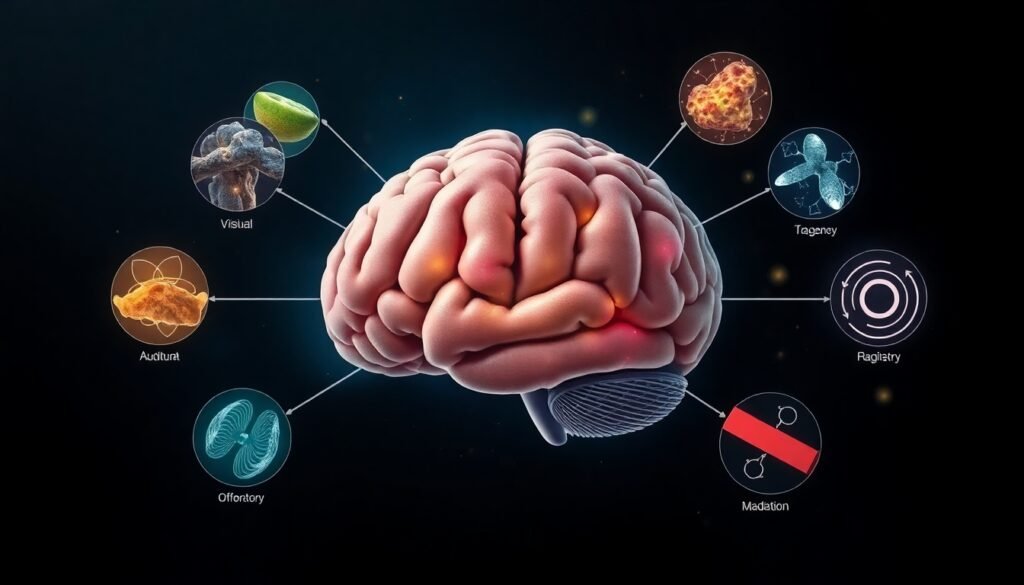
Recent studies involving rodents and cutting-edge brain mapping techniques have revealed a more nuanced picture. It turns out that GLP-1 drugs don’t simply tell the brain to "stop eating"; they tap into a web of neural circuits that influence everything from thirst to reward-driven eating, and, unfortunately, feelings of nausea. Understanding how these actions can be separated is the new frontier in the field.
Key Discoveries: What’s New from Neuroscience 2025?
1. Combining Tirzepatide and Oxytocin for Weight Loss Without Nausea
A team led by Dr. James E. Blevins at the University of Washington explored whether weight-loss benefits could be achieved without gastrointestinal distress. They treated obese rats with low doses of tirzepatide (a dual GLP-1 and GIP receptor agonist) along with the hormone oxytocin. Each substance individually led to a 6-7% weight drop over four weeks, but the combination nearly doubled the effect to an 11% reduction in body weight. Crucially, the rats showed no signs of nausea, as measured by the absence of clay consumption (a behavior in rats linked to nausea). The findings suggest that pairing oxytocin with lower doses of tirzepatide could allow for significant weight loss while sidestepping uncomfortable side effects.
2. The Brain’s Vomit Center: Double-Edged Sword
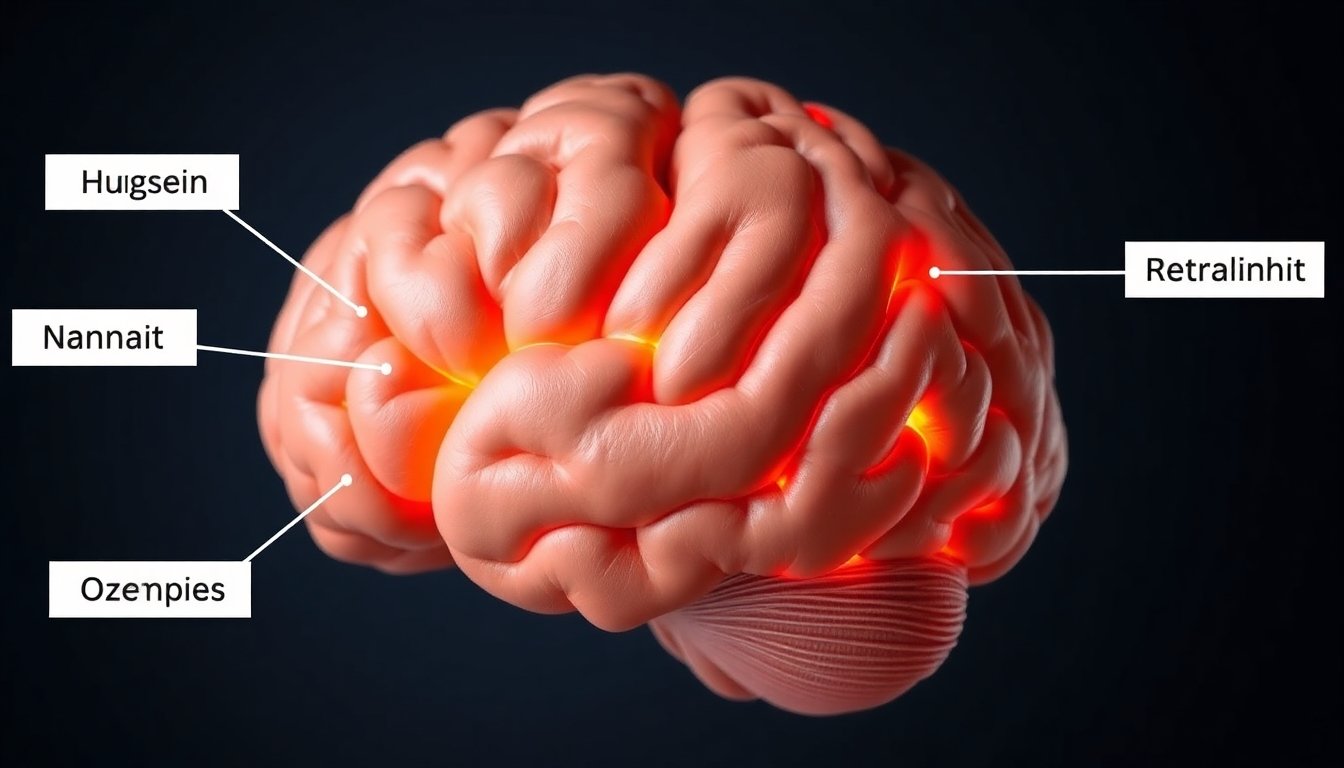
Another research group, led by Warren Yacawych at the University of Michigan, pinpointed a specific brain region — the area postrema — as a key hub for both weight loss and nausea caused by GLP-1 drugs. In their mouse experiments, activating GLP-1 receptors in the area postrema produced weight loss but also triggered nausea. In contrast, targeting a different region associated with satiety, the nucleus tractus solitarius, did not lead to weight reduction. This suggests that the area postrema’s central role in both the therapeutic and adverse effects of GLP-1 medications could be leveraged to design drugs that separate appetite-suppressing and nausea-inducing actions.
3. Suppressing the Urge for Pleasure Foods
Ali D. Güler’s team at the University of Virginia traced another route by which GLP-1 drugs dampen reward-driven eating. Activating GLP-1 receptors on certain cells within the central amygdala reduced mice’s consumption of highly flavorful, calorie-dense foods — the sort of eating driven less by hunger and more by pleasure and reward. This effect was carried through a neural circuit connecting the amygdala to the ventral tegmental area, a region known for mediating dopamine’s effects on reward. The research highlights the drugs’ ability to not only control hunger but also curb cravings, a promising sign for their use in treating binge eating and potentially even addictive behaviors.
4. Why Do These Drugs Make You Less Thirsty?
Yet another side effect of GLP-1 drugs is decreased thirst — an odd but consistent finding. Derek Daniels at the University at Buffalo discovered that specific brain regions sensitive to hydration, such as the median preoptic area, show changes in GLP-1 receptor expression after treatment, particularly in rats. This effect might explain the dips in thirst and could inform future efforts to fine-tune metabolic drugs so that vital homeostatic behaviors like hydration remain untouched.
Looking Toward the Future
“Research demonstrates an effect of these medications on the brain beyond treating diabetes and obesity, via mechanisms that are still not fully understood,” said Dr. Lorenzo Leggio, clinical director at the National Institute on Drug Abuse, part of the NIH. The hope is that, by better mapping these overlapping neural circuits, scientists can design therapies that preserve weight-loss benefits while avoiding harm.
Future drugs might combine lower doses of GLP-1 drugs with agents like oxytocin or target specific brain regions to minimize unpleasant effects. The same mechanisms that make GLP-1 drugs powerful may also open doors to new treatments for disorders of reward, such as binge eating and even addiction.
While more research is needed and these findings are still in the early stages — many reported in rodents, not humans — the insights from Neuroscience 2025 lay the groundwork for a next generation of obesity and diabetes therapies that could mean more weight lost, less nausea, and improved quality of life for millions.
Reference
Society for Neuroscience. (2025, November). How to keep Ozempic/Wegovy weight loss without the nausea. Neuroscience 2025. Retrieved from https://www.sciencedaily.com/releases/2025/11/251118220041.htm