New research explores how a common anesthetic can harm young neurons and finds a promising, plant-derived compound that could prevent the damage.
The decision to place a young child under general anesthesia is one that weighs heavily on any parent. While essential for many medical procedures, concerns have grown within the scientific community about the potential long-term effects of anesthetics on the developing brain. Sevoflurane, one of the most common inhalational anesthetics used in pediatrics, has been linked in some studies to later-life cognitive and learning difficulties. This has spurred a critical question for neuroscientists: what exactly happens inside a young brain during anesthesia, and more importantly, can we mitigate any potential harm? A recent study dives deep into this question, uncovering the cellular mechanisms behind this neurotoxicity and testing a natural compound that may hold the key to protecting our most vulnerable patients.
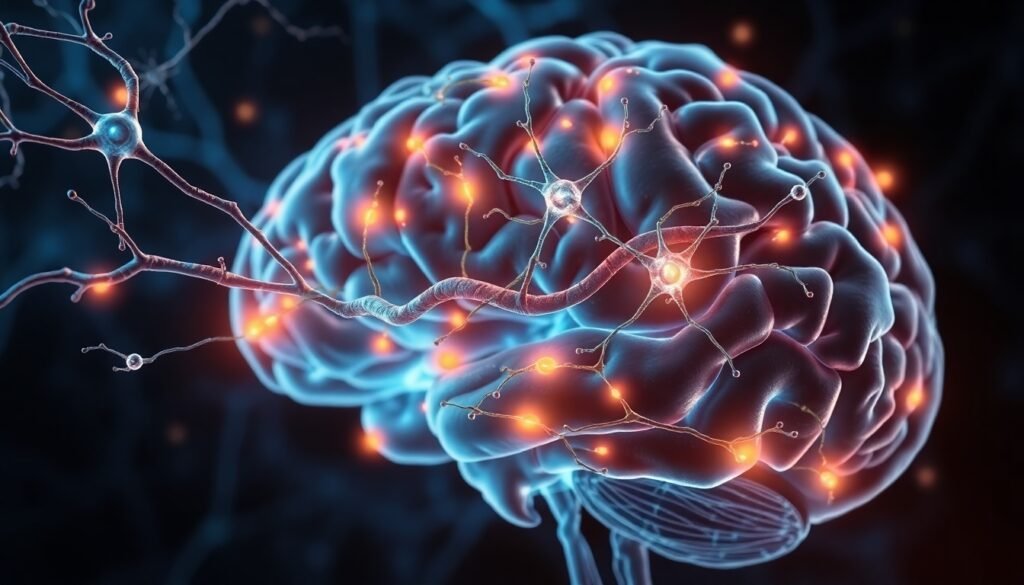
To understand the potential risk, we first need to appreciate the intricate and dynamic environment of the developing brain. Think of it as a bustling garden where connections between brain cells, called synapses, are constantly sprouting. During childhood and adolescence, the brain undergoes a crucial process of refinement. Specialized immune cells in the brain, known as microglia, act as meticulous gardeners. Their job is to prune away weak or unnecessary synapses, strengthening the most important neural pathways. This synaptic pruning is a vital part of healthy brain maturation, allowing for efficient learning and memory formation.
However, the new study reinforces a growing body of evidence suggesting that exposure to sevoflurane can turn these helpful gardeners into overzealous destroyers. The research shows that the anesthetic can trigger an overactivation of microglia. In this agitated state, they no longer just trim the weeds; they begin to indiscriminately remove healthy, essential synapses. This excessive synaptic loss, particularly in critical brain regions like the hippocampus (the hub for learning and memory), is believed to be a primary driver of the cognitive deficits observed after early-life anesthesia exposure.
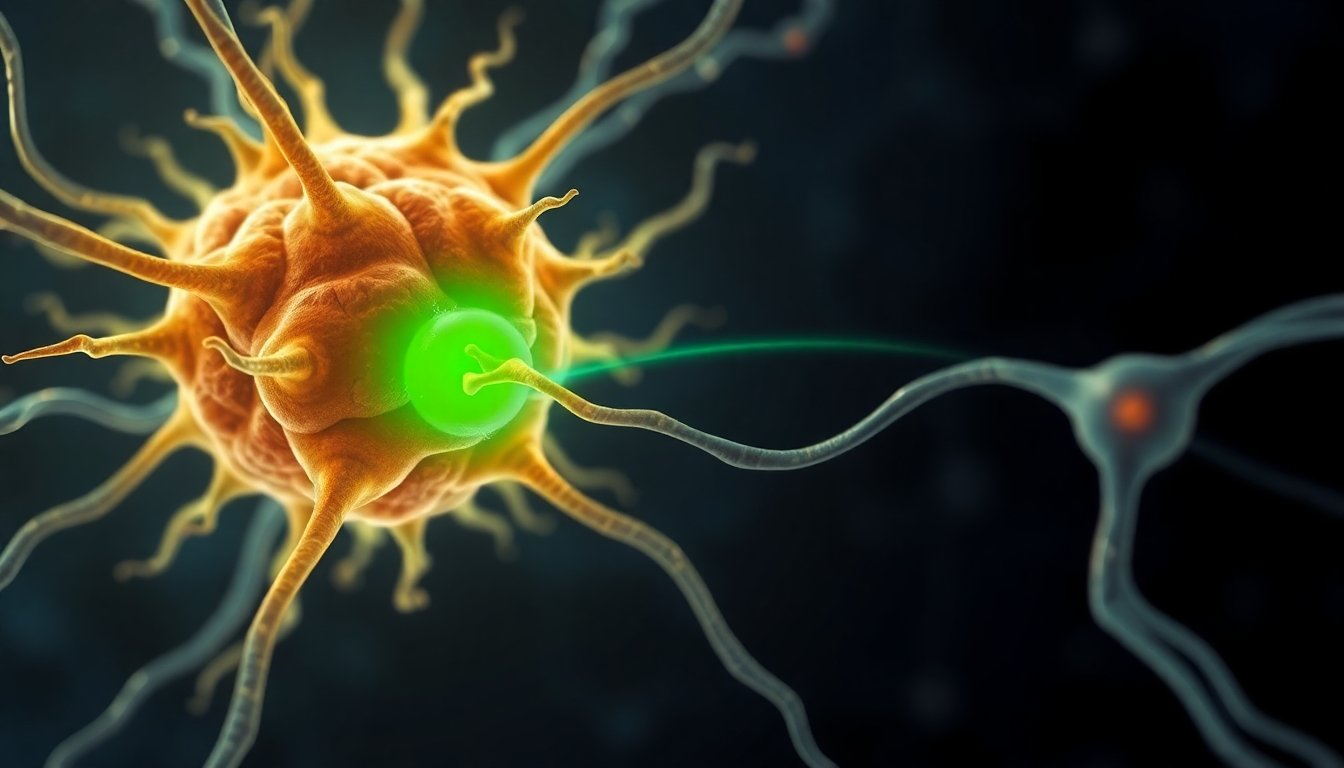
But how do these overactive microglia know which synapses to target? They rely on a molecular signaling system called the complement pathway. This system, a key part of our body’s immune response, can act as a set of "eat me" tags. Specific complement proteins, notably C1q and its downstream partner C3, can bind to synapses. When a synapse is tagged with C3, it’s like a red flag for a nearby microglial cell, signaling it to engulf and eliminate that connection. The researchers found that sevoflurane exposure dramatically ramps up the production of C1q and C3 in the brain. This leads to an abundance of synapses being tagged for destruction, providing a clear explanation for the overzealous pruning by microglia. The result is a significant loss of synaptic density, impairing the brain’s fundamental communication network.

With the problem clearly identified, the scientists turned their attention to a potential solution: a natural flavonoid glycoside called rutin. Found in many plants, including buckwheat, asparagus, and citrus fruits, rutin is known for its powerful antioxidant, anti-inflammatory, and neuroprotective properties. Previous studies have hinted at its ability to protect against memory dysfunction and neuronal loss, making it an intriguing candidate to counteract the effects of sevoflurane.
The research team designed an experiment using neonatal mice to test this hypothesis. One group of mice was exposed to sevoflurane to mimic pediatric anesthesia, while another group was not. Within the sevoflurane-exposed group, some mice received injections of rutin, while others received a placebo. The team then conducted a series of behavioral and cellular analyses to see if rutin made a difference.
The results were striking. In behavioral tests designed to assess spatial learning and memory, such as the Morris water maze, the mice exposed to sevoflurane alone showed significant cognitive impairment. They struggled to remember the location of a hidden platform. However, the sevoflurane-exposed mice that also received rutin performed significantly better, navigating the maze more efficiently and demonstrating improved memory retention. Their performance was much closer to that of the healthy control mice who never received anesthesia.
When the researchers looked at the brains of these mice, the cellular evidence supported the behavioral findings. The brains of rutin-treated mice had a significantly higher density of synapses compared to the mice that only received sevoflurane. Rutin appeared to have successfully prevented the widespread synapse loss. Furthermore, the microglia in the rutin-treated mice were visibly calmer. Instead of the enlarged, activated state seen in the sevoflurane-only group, their microglia displayed the resting, highly branched morphology characteristic of a healthy brain. Most importantly, rutin treatment dramatically reduced the levels of the complement proteins C1q and C3. By suppressing this "eat me" signal, rutin effectively disarmed the mechanism driving the destructive synaptic pruning. To confirm this, the researchers conducted an in-vitro experiment where they added C3 back into a cell culture; this reversed rutin’s protective effects, solidifying the complement pathway’s central role in the process.
This study provides a compelling narrative of how a common anesthetic can inadvertently trigger a destructive cascade in the developing brain and, excitingly, how a natural compound might be able to stop it. The findings demonstrate that rutin can alleviate sevoflurane-induced cognitive dysfunction in mice by calming the brain’s immune cells and, crucially, by inhibiting the complement-dependent pathway that marks synapses for elimination.
While these findings are incredibly promising, the authors note that this is preclinical research. Further studies are needed to fully understand rutin’s effects on other aspects of synaptic plasticity and to confirm its safety and efficacy in more complex models before any human applications can be considered. Nonetheless, this research opens a vital new avenue for developing therapeutic strategies to make pediatric anesthesia safer, offering hope that we can one day shield the developing brain from these unintended consequences.
References
Tian, X., Xiong, M., Jiang, Z., Hong, R., & Wang, H. (2025). Rutin ameliorates sevoflurane-induced neurotoxicity by inhibiting microglial synaptic phagocytosis through the complement pathway. Scientific Reports. https://doi.org/10.1038/s41598-025-21874-x