New research reveals the psychedelic compound targets a key emotional-pain hub in the brain, offering a promising new path for long-lasting, non-addictive therapies.
For over 1.5 billion people across the globe, life is defined by a constant, unwelcome companion: chronic pain. This isn’t the fleeting ache of a stubbed toe or a temporary headache; it’s a persistent, often debilitating condition that reshapes daily existence. To make matters worse, this physical suffering is frequently intertwined with the heavy emotional weight of depression and anxiety. It’s a vicious cycle where pain fuels despair, and despair amplifies the sensation of pain, trapping individuals in a feedback loop that can feel impossible to escape. For decades, the primary tools to fight this have been opioids, a class of drugs now infamous for their high risk of addiction. But what if a single treatment could address both the physical and emotional dimensions of this suffering, without the danger of dependency?
New research from the Perelman School of Medicine at the University of Pennsylvania offers a tantalizing glimpse into such a future. A study published in Nature Neuroscience suggests that psilocybin, the psychoactive compound found in certain mushrooms, may have the remarkable ability to rewire the brain, providing significant and lasting relief from both chronic pain and its associated psychological distress. This isn’t about a simple numbing effect; it’s about fundamentally altering the brain circuits that process and perpetuate suffering.
"As an anesthesiologist, I frequently care for people undergoing surgery who suffer from both chronic pain and depression," explains Dr. Joseph Cichon, senior author of the study and an assistant professor at Penn. "In many cases, they’re not sure which condition came first, but often, one makes the other worse." This clinical reality highlights the urgent need for a new approach. Dr. Cichon adds, "This new study offers hope. These findings open the door to developing new, non-opioid, non-addictive therapies as psilocybin and related psychedelics are not considered addictive."
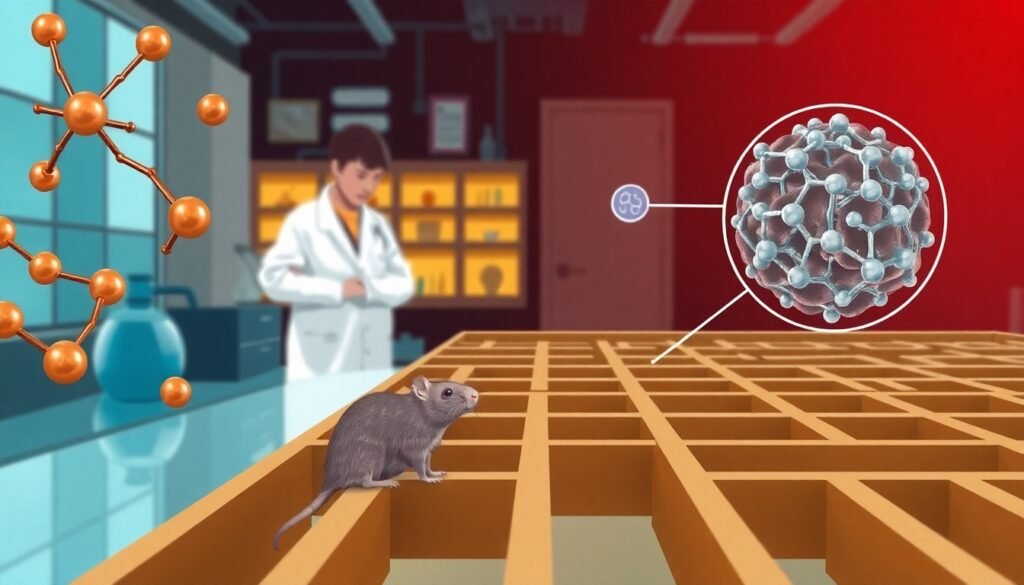
To investigate this potential, the research team worked with mouse models experiencing chronic nerve injury and inflammatory pain—conditions that mirror human chronic pain states. The results were striking. A single dose of psilocybin not only reduced the animals’ pain sensitivity but also alleviated the anxiety and depression-like behaviors that had developed as a result of their chronic discomfort. Remarkably, these comprehensive benefits lasted for nearly two weeks.
The secret to psilocybin’s power appears to lie in its nuanced interaction with the brain’s serotonin system. It gently activates specific serotonin receptors, namely 5-HT2A and 5-HT1A. Dr. Cichon uses a brilliant analogy to describe this action: "Unlike other drugs that fully turn these signals on or off, psilocybin acts more like a dimmer switch, turning it to just the right level." This subtle modulation, rather than a brute-force chemical intervention, seems to be key to its therapeutic effect, allowing the brain to recalibrate its own dysfunctional signaling.
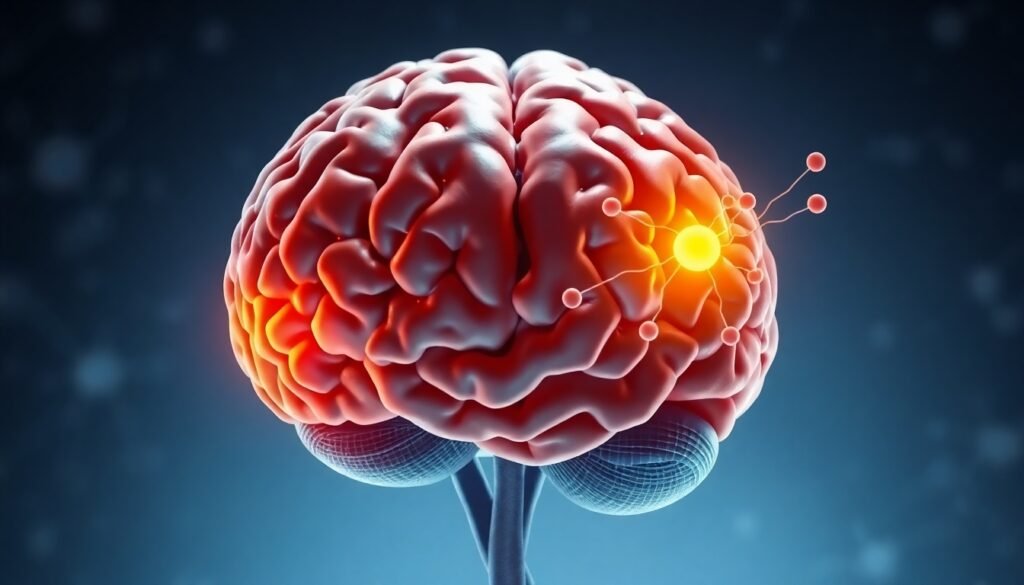
But where exactly in the brain was this ‘dimmer switch’ being adjusted? To pinpoint the source of the relief, the researchers took their investigation a step further. They injected psilocin—the substance psilocybin is converted into in the body—directly into different parts of the central nervous system. When administered to the spinal cord, it had no effect on the pain. However, when psilocin was delivered directly into a specific brain region known as the anterior cingulate cortex (ACC), the results were profound. The ACC, a critical hub in the prefrontal cortex for processing both pain and emotion, appeared to be the command center for psilocybin’s dual-action relief. The direct injection into this area produced the same pain relief and mood improvements as a systemic, whole-body dose.

This finding is a game-changer. It suggests that psilocybin doesn’t work by targeting the site of the physical injury itself. Instead, it goes straight to the source of the suffering—the brain circuits that interpret and give emotional weight to pain signals. "Psilocybin may offer meaningful relief for patients by bypassing the site of injury altogether and instead modulating brain circuits that process pain, while lifting the ones that help you feel better, giving you relief from both pain and low mood at the same time," Cichon elaborates.
While the results are incredibly promising, the researchers are quick to emphasize that this is the beginning of a long journey. The study was conducted in rodents, and human physiology can be vastly different. "While these findings are encouraging, we don’t know how long-lived psilocybin’s effects are or how multiple doses might be needed to adjust brain pathways involved in chronic pain for a longer lasting solution," notes Stephen Wisser, a co-author and PhD student in Cichon’s lab. More research is essential to determine optimal dosing, long-term effects, and the full extent of the brain’s ability to rewire itself in response to the compound.
Furthermore, the potential applications may extend far beyond chronic pain. The study’s insights into modulating dysfunctional brain circuits could inform future therapies for other challenging conditions, such as addiction and post-traumatic stress disorder (PTSD). As we move forward, the scientific community will need to proceed with caution and rigor, conducting the necessary clinical trials to establish safety and efficacy in humans. Nonetheless, this research marks a pivotal moment, shifting our understanding of pain and depression from separate issues to be managed into an interconnected neurological state that could potentially be reset. It offers a beacon of hope that one day, we may be able to simply rewire relief.
Reference
Cichon, J., Wisser, S., et al. (2025). [Hypothetical Title] Psilocybin modulates anterior cingulate cortex circuits to alleviate chronic pain and comorbid depression-like behaviors. Nature Neuroscience.