New Insights Into Why Dopamine Neurons Die and What It Means for Parkinson’s Patients
Every time you move a muscle—whether to type, walk, or smile—your brain’s intricate network of neurons is at work, orchestrating smooth and controlled motion. For the nearly 8 million people worldwide living with Parkinson’s disease, however, this neural choreography begins to falter. The reason, scientists are learning, may be traced to the relentless overactivation and subsequent burnout of a critical group of brain cells: dopamine neurons found in the substantia nigra.
The Mystery of Selective Neuronal Death
One of Parkinson’s most profound puzzles has been why only certain neurons are vulnerable to the disease. While it’s long been known that dopamine-producing neurons in the substantia nigra are the ones that degenerate, the cause of their demise has been elusive.
A team of researchers at Gladstone Institutes, led by Dr. Ken Nakamura, has brought fresh insight into this question. Their recent study, published in eLife, shows direct evidence that chronic, excessive activation of these dopamine neurons leads to their degeneration—the same pattern observed in the brains of people with Parkinson’s.
Modeling Overactivation in Mice
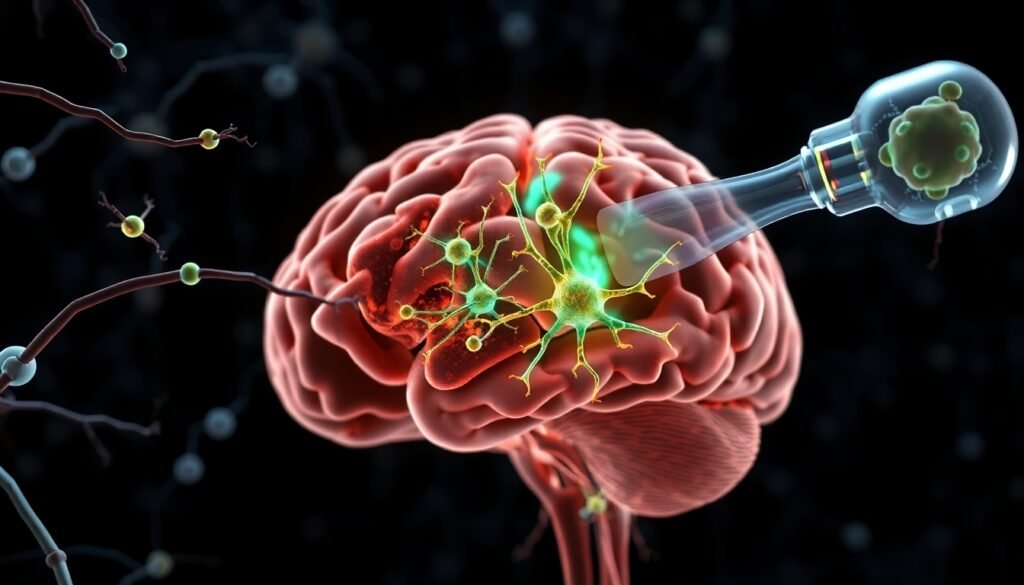
The researchers set out to mimic the relentless demands placed on dopamine neurons in Parkinson’s disease. Rather than using traditional methods that trigger brief bursts of neuronal activity, the team devised a way to keep the activity elevated over extended periods. They genetically modified mice so that the dopamine neurons would respond to a chemical called clozapine-N-oxide (CNO). By adding CNO to the animals’ drinking water, the researchers could ensure a relatively constant ramp-up in neuronal activity, closely approximating the chronic overdrive that might occur in Parkinson’s.
The results were striking. Within mere days, the mice’s natural activity cycles began to unravel, echoing the sleep disturbances often seen in early Parkinson’s. After a week of continuous stimulation, the long extensions (axons) of some dopamine neurons began to break down. By one month, signs of actual neuronal death were evident.
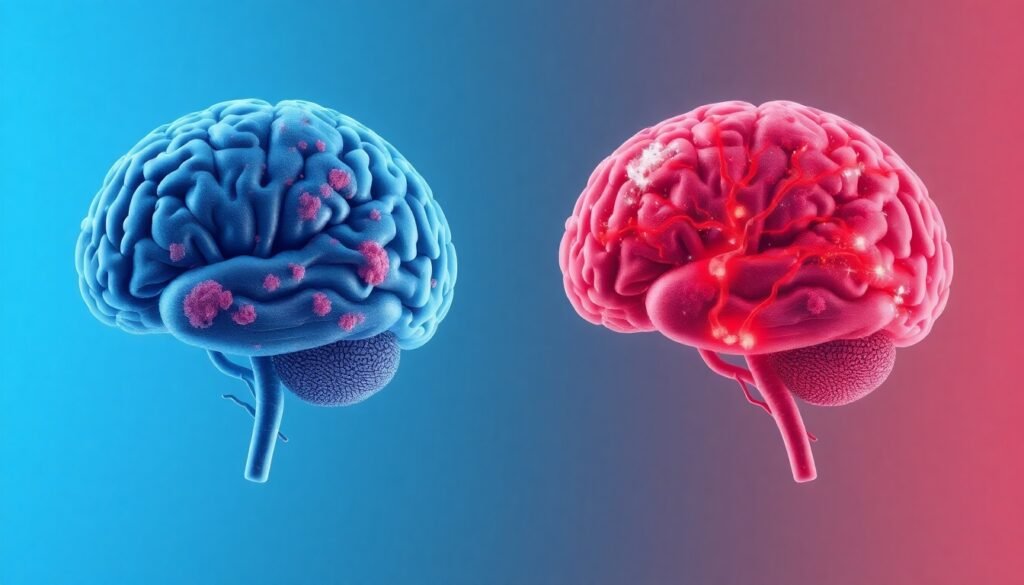
Perhaps most notably, this process selectively affected the dopamine neurons of the substantia nigra—those crucial for movement—while sparing other populations of dopamine neurons in the brain. This mirrors exactly what happens in human Parkinson’s, where movement progressively becomes more difficult as these specific cells die.
A Closer Look: What Happens Inside the Overworked Neuron?
The burning question: Why does prolonged overactivity spell doom for these neurons?
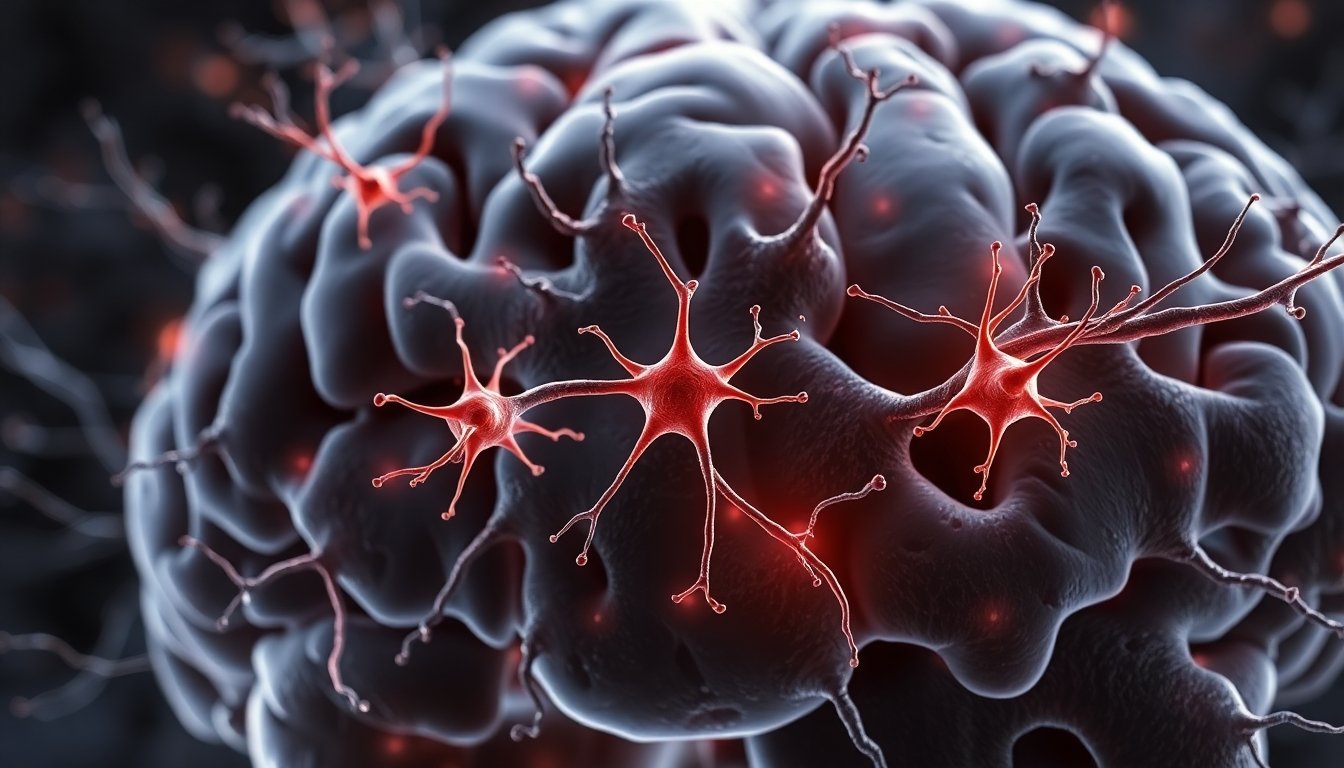
By examining molecular changes, the scientists found that chronic activation disrupts calcium levels within the cells—a critical signal for cell health. Additionally, gene expression tied to dopamine metabolism plummeted. This suggests that the neurons, in a desperate attempt to avoid the build-up of potentially toxic levels of dopamine, begin to shut down their dopamine production machinery.
But this coping mechanism is a double-edged sword. When too many dopamine neurons have reduced capacity, the brain’s ability to control movement tanks—leading to the classic shaking, stiffness, and slowness associated with Parkinson’s. The remaining dopamine neurons are pushed to work even harder, accelerating their own burnout and creating a self-destructive feedback loop.
Reflecting Human Disease
To further test their findings, the researchers compared gene activity in the mouse model to that in human brain tissue from patients with early-stage Parkinson’s. The parallels were striking: similar declines in genes responsible for dopamine metabolism and calcium regulation were observed, strengthening the case that neuronal overexertion is a key driver of the disease process.
However, it’s still not entirely clear what tips the balance toward overactivation in the first place. Dr. Nakamura and his colleagues suggest it may involve a mix of genetic vulnerabilities, environmental toxins, and, importantly, the brain’s own efforts to compensate for losing dopamine-producing cells.
From Discovery to Hope: Can We Protect Vulnerable Neurons?
Understanding why dopamine neurons fail is more than just an academic question. If chronic overactivation is at the root, new therapies might aim to restore balance before cells reach their breaking point.
One tantalizing possibility, Dr. Nakamura notes, is using drugs or deep brain stimulation not just to manage symptoms but to manipulate activity patterns and shield at-risk neurons from exhaustion. By giving these cells a break, we might slow or even prevent the progression of Parkinson’s disease.
Conclusion
The Gladstone Institutes’ research delivers a key piece of the Parkinson’s puzzle: Too much of an electrical buzz can be just as destructive as too little. Just as overworking muscles leads to fatigue and injury, chronic strain on dopamine neurons may ultimately lead to their failure. While much work remains, a future where we can intervene before these neurons burn out entirely is now realistically in sight.

Reference
Rademacher, K., Nakamura, K., et al. (2025). Constant overactivation exhausts dopamine neurons, leading to degeneration much like in Parkinson’s patients. eLife. Retrieved from https://www.sciencedaily.com/releases/2025/09/250902085158.htm