New research using the advanced AI model AlphaFold3 has mapped the structure of our bitter taste receptors, revealing not only how we perceive taste but also their surprising influence on appetite, metabolism, and the prevention of lifestyle diseases.
Think about the last time you tasted something truly bitter—a dark coffee, a bitter green, or a grapefruit. That sharp, often unpleasant sensation is a fundamental part of our evolutionary toolkit, a warning system to avoid potential toxins. But what if that same biological machinery was doing much more than just protecting your palate? What if it was secretly communicating from your gut to your brain, influencing everything from your appetite to your risk for diabetes? This isn’t science fiction. It’s the cutting edge of neuroscience, where scientists are discovering that bitter taste receptors (T2Rs) are key players in the intricate dialogue between our digestive system and our brain. The biggest hurdle? We have 25 types of these receptors, and for the longest time, the precise structure of most of them remained a mystery. Now, thanks to a powerful new artificial intelligence, that is rapidly changing.

The AI Revolution in Biology
To understand a protein’s function, you first need to know its shape. Proteins are the workhorses of our cells, and their three-dimensional structure dictates what they can do. For decades, determining these structures was a painstaking, expensive, and often impossible task. The advent of AI-powered models like AlphaFold changed the game, allowing scientists to predict a protein’s structure from its amino acid sequence with incredible accuracy. The first version, AlphaFold2, was a Nobel Prize-winning breakthrough. Now, its successor, AlphaFold3 (AF3), is pushing the boundaries even further. A team of researchers, led by Professor Naomi Osakabe from the Shibaura Institute of Technology, decided to harness the power of AF3 to finally map the complete set of 25 human T2Rs. Their goal was to create a detailed structural atlas and compare AF3’s predictions against both the older AF2 model and the few experimentally confirmed structures available.
Mapping the Molecular Machinery
The team put AF3 to the test. They used it to generate 3D models for all 25 human T2Rs. To validate its performance, they focused on T2R14 and T2R46, the only two receptors whose structures had been previously determined through laborious lab-based methods like cryo-electron microscopy. The results were definitive. When benchmarked against the real-world data, AF3 consistently produced more accurate and detailed structural predictions than its predecessor, AF2. It was like upgrading from a standard-definition map to a high-resolution satellite image.
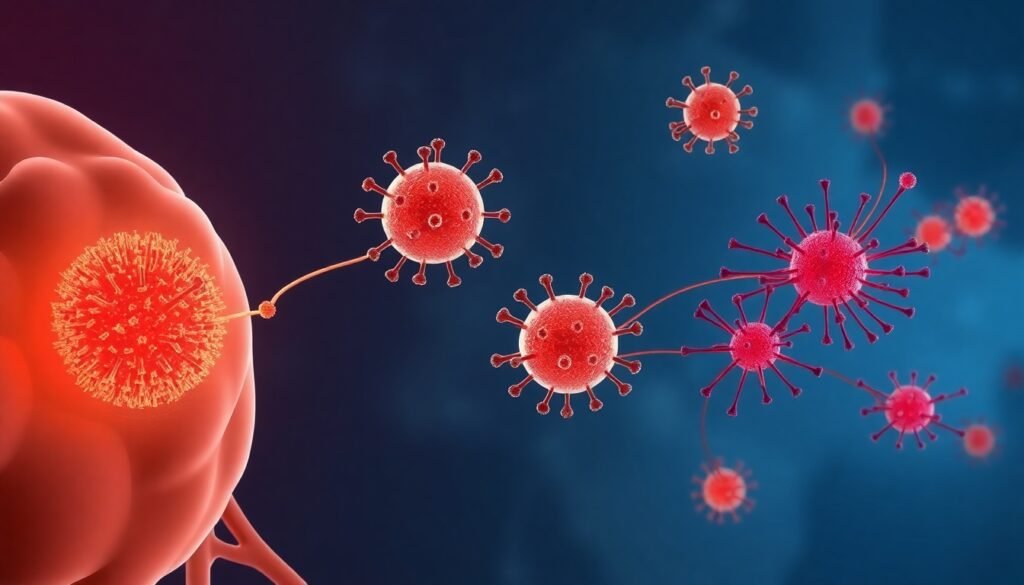
This new level of detail revealed a fascinating pattern. The researchers found that the part of the receptors that sits inside the cell—the intracellular region—was remarkably similar across all 25 types. This consistency suggests a common mechanism for relaying signals within the cell once a bitter compound has been detected. However, the part that extends outside the cell—the extracellular region, which acts as the docking site for taste molecules—showed significant structural variation. This diversity is the key to how our bodies can recognize thousands of different bitter substances. Each receptor has a uniquely shaped "lock" to fit a different set of molecular "keys." "Clustering of proteins is based on their structural similarity and dissimilarity," explains Prof. Osakabe. "Based on our findings, we divided the T2Rs into three different clusters." This classification provides a new framework for understanding why certain receptors respond to specific compounds and how they function collectively.
The Gut-Brain Axis: A New Frontier for Health
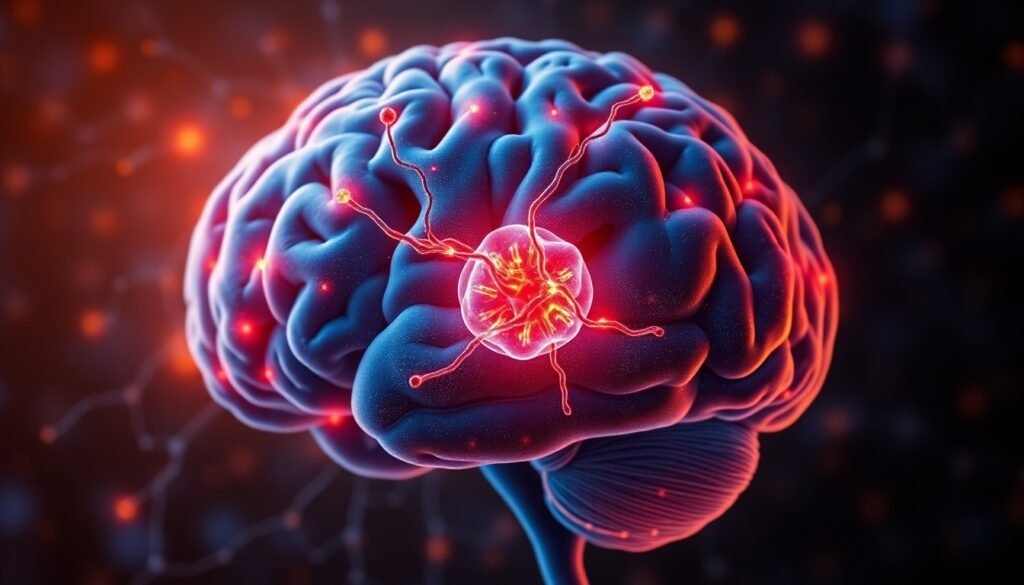
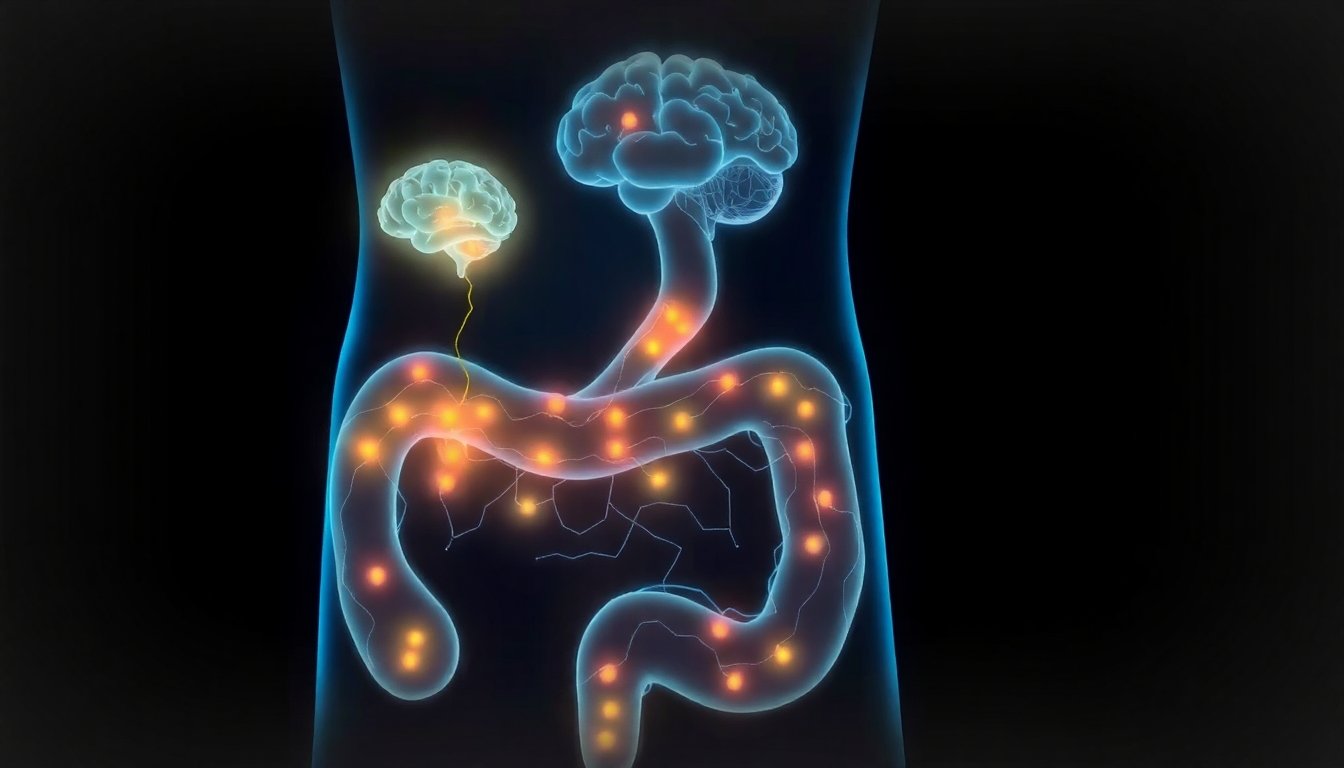
The most profound implication of this research lies far from the tongue. While T2Rs are famous for their role in taste, they are also expressed in "extraoral" sites, most notably in specialized neuropod cells within the gastrointestinal tract. These cells act as a direct line of communication, transmitting signals from the gut straight to the brain, forming a critical part of the gut-brain axis. This means that the same receptors that detect bitterness in your mouth are also sensing the chemical environment of your gut and reporting back to headquarters.
Why is this important? As Professor Osakabe highlights, this connection is deeply involved in regulating our body’s core functions. "The expression of bitter taste receptors in the gastrointestinal tract indicates that they are involved in maintaining the gut-brain axis, glucose tolerance, and appetite regulation," she notes. By understanding the structure of these receptors, we gain a powerful insight into their function. This knowledge opens up entirely new avenues for medical research. Imagine developing drugs that specifically target gut-based T2Rs to help control appetite in individuals struggling with obesity, or to improve glucose tolerance in patients with diabetes. "With the receptors’ involvement in detecting bitter tastants and maintaining the gut-brain axis, this can play an important role in health and pharmaceutical-based research, specifically targeting lifestyle diseases like diabetes," Osakabe adds.
A Future of Personalized Health
This study is a landmark achievement, providing the first comprehensive, high-accuracy structural atlas of all human bitter taste receptors. By leveraging the predictive power of AlphaFold3, the researchers have provided a foundational tool that will accelerate research for years to come. The findings not only demystify the complex world of taste perception but also firmly establish T2Rs as crucial players in our overall metabolic health. Future work will likely focus on the intricate relationship between a receptor’s genetic sequence and its final structure, and how tiny variations between individuals might explain our different perceptions of taste and even our predispositions to certain health conditions. By decoding these molecular secrets, we are moving one step closer to a future of more precise, personalized medicine, all thanks to a deeper understanding of the humble bitter taste.
Reference
Osakabe, N., Shimizu, T., Ohno, R., & Calabrese, V. (2025). The three-dimensional structure prediction of human bitter taste receptor using the method of AlphaFold3. Current Research in Food Science, 11.