A groundbreaking new study reveals how bioactive nanoparticles can restore the brain’s crucial defense system, clearing toxic proteins and reversing cognitive decline in animal models, offering a powerful new strategy in the fight against dementia.
For decades, the specter of Alzheimer’s disease has loomed large, a relentless neurological decline that robs individuals of their memories, personalities, and futures. The scientific community has waged a tireless war against it, primarily focusing on targeting the sticky amyloid-beta (Aβ) plaques that are a hallmark of the disease. But what if the most effective strategy wasn’t just about attacking the plaques, but about repairing the very system designed to prevent their buildup in the first place? A new study, co-led by researchers at the Institute for Bioengineering of Catalonia (IBEC) and West China Hospital Sichuan University (WCHSU), has done just that, achieving a remarkable reversal of Alzheimer’s pathology in mice.
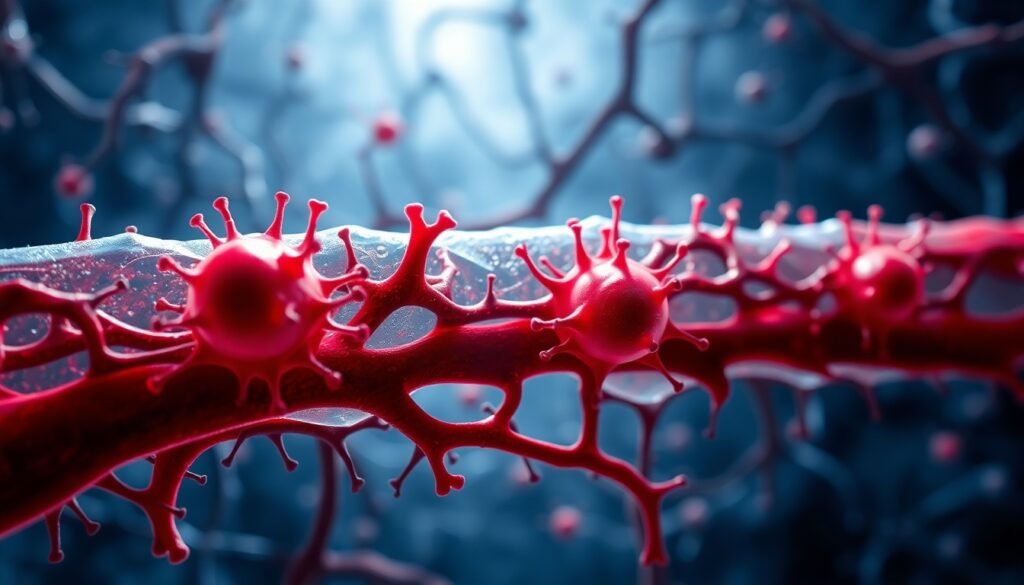
To understand this breakthrough, we first need to appreciate the brain’s incredible infrastructure. Consuming a staggering 20% of the body’s energy, our brain is sustained by an exceptionally dense network of blood vessels—roughly one billion capillaries, with each neuron having its own dedicated supply. This vascular system is more than just plumbing; it’s a dynamic environment protected by a highly selective shield: the blood-brain barrier (BBB).
The BBB acts as the brain’s elite security force. It meticulously separates brain tissue from the circulating blood, blocking pathogens and toxins from entering the delicate neural environment. But its job doesn’t end there. The BBB is also a critical part of the brain’s sanitation crew, responsible for escorting harmful "waste proteins" produced during normal brain activity out into the bloodstream for disposal. In Alzheimer’s disease, the primary waste product is Aβ. When the BBB’s clearance function falters, Aβ accumulates, disrupting neuronal communication and triggering the devastating cascade of the disease.
This is where the new research introduces a revolutionary tool: bioactive nanoparticles. Unlike previous approaches that used nanoparticles as passive delivery trucks to carry drugs, these are engineered to be therapeutic agents in their own right. The team designed what they call "supramolecular drugs" to specifically target and restore the failing BBB.
The key to this process lies in a natural gatekeeper protein called LRP1. Under normal conditions, LRP1 sits on the BBB and acts like a molecular ferry, recognizing Aβ, binding to it, and shuttling it out of the brain. In Alzheimer’s, this system becomes overwhelmed. As Aβ levels rise, the LRP1 ferries get congested, and the protein itself begins to degrade, reducing the brain’s capacity to clean itself. The nanoparticles developed by the researchers are designed to mimic the natural molecules that bind to LRP1, effectively acting as a powerful backup for the overwhelmed system.
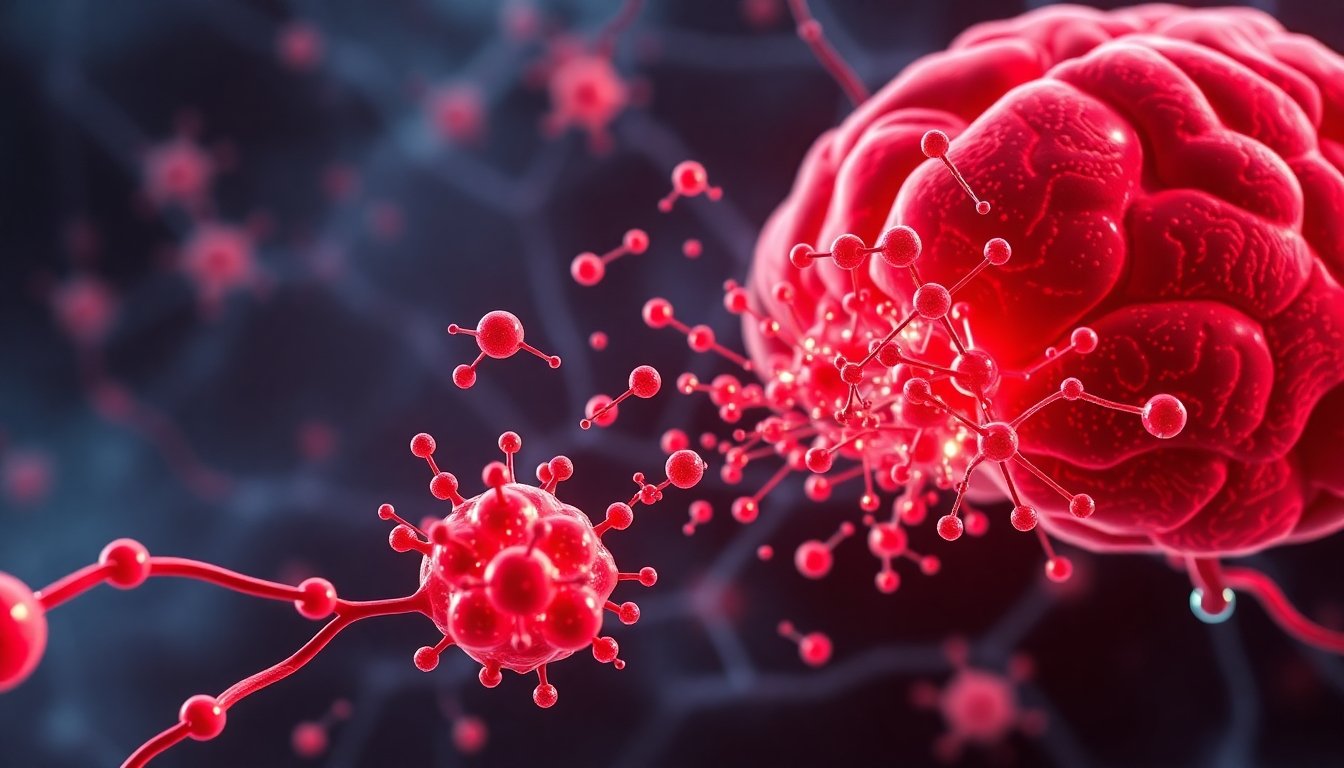
By imitating these LRP1 ligands, the nanoparticles bind to Aβ and help escort it across the BBB, kickstarting the clearance process. The results in mouse models engineered to develop Alzheimer’s were nothing short of astonishing. The research team administered just three doses of the supramolecular drugs and monitored the effects.
"Only 1h after the injection we observed a reduction of 50-60% in Aβ amount inside the brain," explains Junyang Chen, a first co-author of the study. This rapid clearance was just the beginning. The long-term therapeutic outcomes were even more profound. The researchers conducted a series of behavioral and memory tests over several months. In one striking example, a 12-month-old mouse, equivalent in age to a 60-year-old human, was treated with the nanoparticles. Six months later, at an age comparable to a 90-year-old human, its cognitive function and behavior were indistinguishable from those of a healthy mouse of the same age.

What makes this approach so powerful is that it doesn’t just provide a temporary fix. It appears to hit a reset button on the brain’s entire self-cleaning system. Giuseppe Battaglia, the study’s leader, explains the cascade effect: "Once the vasculature is able to function again, it starts clearing Aβ and other harmful molecules, allowing the whole system to recover its balance. What’s remarkable is that our nanoparticles act as a drug and seem to activate a feedback mechanism that brings this clearance pathway back to normal levels."
In essence, the treatment doesn’t just manually remove the toxic proteins; it repairs the natural machinery so the brain can resume its own housekeeping duties. This is achieved through meticulous molecular engineering. The nanoparticles are built from the ground up with a tightly controlled size and a precise number of surface molecules, allowing them to interact with cellular receptors with high specificity. This precision is what enables them to efficiently clear Aβ and, more importantly, rebalance the vascular system that is so crucial for brain health.
This study represents a significant paradigm shift, moving the focus from simply targeting the symptoms of Alzheimer’s to repairing the underlying vascular and clearance dysfunctions that contribute to its progression. "Our study demonstrated remarkable efficacy in achieving rapid Aβ clearance, restoring healthy function in the blood-brain barrier and leading to a striking reversal of Alzheimer’s pathology," concludes Lorena Ruiz Perez, a researcher on the project.
While the journey from successful mouse models to human clinical trials is long and challenging, this research opens a profoundly hopeful new avenue. By targeting the brain’s own defenses and restoring their function, these supramolecular drugs may one day provide a way to not just halt, but potentially reverse the course of this devastating disease.
Reference
Institute for Bioengineering of Catalonia. (2025, October 29). Scientists reverse Alzheimer’s in mice with groundbreaking nanotech. ScienceDaily. Retrieved from https://www.sciencedaily.com/releases/2025/10/251029100154.htm