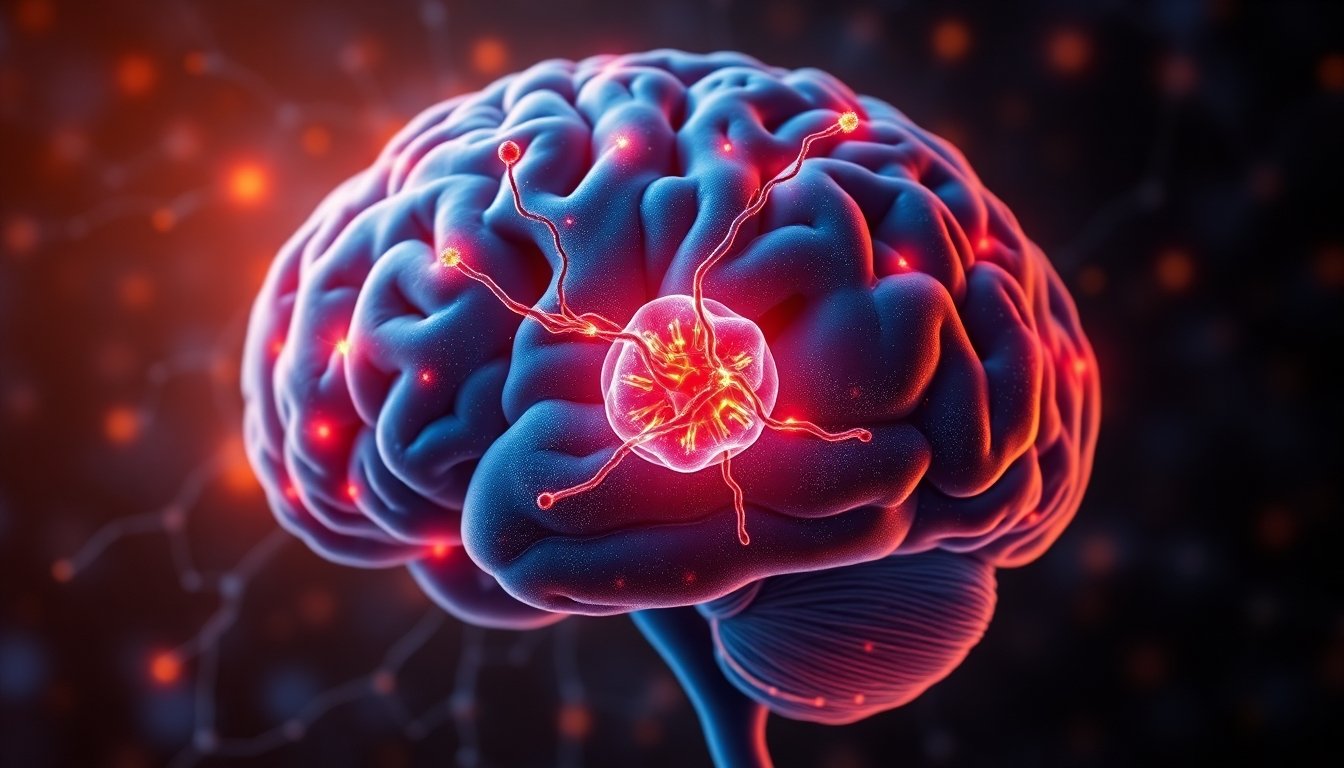
New research reveals that free radicals from an unexpected source—the brain’s support cells—fuel the inflammation behind neurodegenerative diseases, and a novel drug class could put out the fire at its source.
For decades, the fight against neurodegenerative diseases like Alzheimer’s and frontotemporal dementia has been a frustrating puzzle. One of the most enduring clues has been the concept of "oxidative stress"—damage caused by an overabundance of highly reactive molecules known as free radicals. The logical solution seemed simple: neutralize these radicals with antioxidants. Yet, clinical trial after clinical trial using this approach has ended in disappointment, leaving scientists to wonder if they were missing a crucial piece of the puzzle. Now, a groundbreaking study from researchers at Weill Cornell Medicine, published in Nature Metabolism, provides a stunning new answer. They’ve traced the destructive spark not to the brain’s neurons, but to a surprising culprit hiding in plain sight: the brain’s own support cells.
The Old Story of Free Radicals
To understand the significance of this discovery, we first need to revisit the basics. Inside nearly every cell in our body are tiny power plants called mitochondria. Their job is to convert the food we eat into the energy that keeps our cells running. But this energy production isn’t perfectly clean; it creates a byproduct called reactive oxygen species (ROS), more commonly known as free radicals. At low levels, these molecules are essential, acting as signals that help regulate cellular functions. However, when produced in excess, they become destructive, damaging DNA, proteins, and fats in a process called oxidative stress. "Decades of research implicate mitochondrial ROS in neurodegenerative diseases," explains Dr. Adam Orr, an assistant professor of research in neuroscience at Weill Cornell and co-leader of the study. This link made antioxidants—molecules that can neutralize free radicals—seem like the perfect weapon. But their failure in clinical settings suggested a flaw in the strategy. "That lack of success might be related to the inability of antioxidants to block ROS at their source and do so selectively without altering cell metabolism," Dr. Adam Orr notes. It wasn’t enough to clean up the mess; scientists needed to find the source of the leak and plug it directly.
A Plot Twist: It’s the Astrocytes
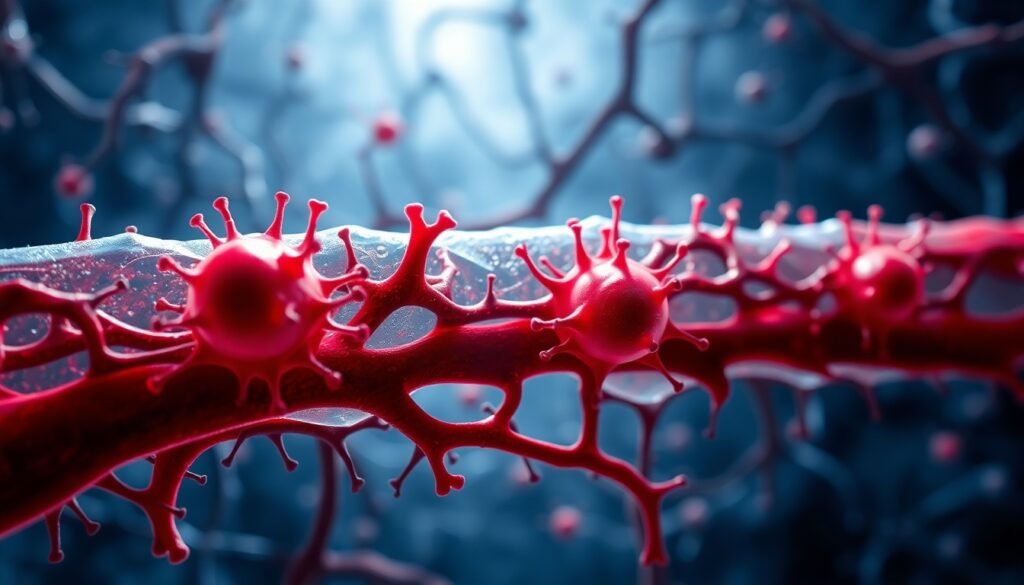
The Weill Cornell team, co-led by Dr. Anna Orr and Dr. Adam Orr, decided to hunt for this source with unprecedented precision. They focused on a specific part of the mitochondria known as Complex III, a known hotspot for ROS production. The assumption for years had been that in neurodegenerative diseases, it was the mitochondria within the neurons themselves that were malfunctioning and spewing out these damaging radicals. The team’s findings turned this assumption on its head. The real source of the pathological ROS wasn’t the neurons, but the astrocytes. Astrocytes are star-shaped, non-neuronal cells that vastly outnumber neurons in some brain regions. They are the brain’s essential support crew, responsible for providing nutrients to neurons, maintaining chemical balance, and cleaning up waste. The study revealed that when these support cells are exposed to disease-related triggers, like the inflammatory molecules or toxic proteins associated with dementia, their mitochondria go into overdrive, pumping out destructive free radicals from Complex III. It’s like discovering that a city-wide power surge isn’t coming from the houses themselves, but from the electrical substations that are supposed to be keeping the grid stable.
Developing a Precision Weapon: The S3QELs
Identifying the source was only half the battle. The team needed a way to shut it down without causing collateral damage. Using a drug discovery platform developed by Dr. Adam Orr, they identified a new class of molecules they call S3QELs (pronounced "sequels"). These compounds are not like general antioxidants that indiscriminately mop up free radicals throughout the cell. Instead, they act like a precision key, fitting into the lock of Complex III and specifically suppressing its ability to produce excess ROS that can leak out and cause damage, all while leaving the mitochondria’s essential energy-producing functions intact. The evidence was compelling. "When we added S3QELs, we found significant neuronal protection but only in the presence of astrocytes," said Daniel Barnett, a graduate student in the Orr lab and the study’s lead author. This crucial experiment confirmed that the astrocytes were indeed the source of the toxicity, and that blocking the ROS at this specific site was the key to protecting the neurons.

From Petri Dish to Promising Results
The researchers dug deeper, uncovering the precise chain of events. They found that the ROS released by astrocytes oxidized key immune and metabolic proteins. This chemical change acted like a switch, altering the activity of thousands of genes directly linked to inflammation and dementia. "The precision of these mechanisms had not been previously appreciated, especially not in brain cells," said Dr. Anna Orr, the Nan and Stephen Swid Associate Professor of Frontotemporal Dementia Research at Weill Cornell. "This suggests a very nuanced process in which specific triggers induce ROS from specific mitochondrial sites to affect specific targets."
The most exciting results came when the team tested an S3QEL compound in mice engineered to model frontotemporal dementia, a devastating neurodegenerative disease. The results were remarkable. The treatment reduced the activation of astrocytes, lowered the levels of inflammatory genes, and decreased a harmful modification to the tau protein, a well-known hallmark of dementia. Even more promising, these benefits were observed even when the treatment was started after the mice had already begun to show symptoms. The treated mice also had an improved lifespan and tolerated the compound well, with no significant side effects—a testament, Dr. Anna Orr believes, to the drug’s highly targeted action.
A New Horizon for Dementia Treatment
This study does more than just identify a new drug target; it fundamentally changes the way scientists think about the role of free radicals in brain disease. It explains why broad-spectrum antioxidants failed and provides a clear, actionable roadmap for a new generation of therapies. "The study has really changed our thinking about free radicals and opened up many new avenues of investigation," said Dr. Adam Orr. The team is now working to further develop the S3QEL compounds for potential human use and is investigating how different genes associated with dementia risk might influence this newly discovered mitochondrial pathway. By pinpointing the hidden fire within the brain’s support cells and designing a precision tool to extinguish it, this research offers a powerful new source of hope in the long and arduous fight against dementia.
References
Barnett, D., Orr, A., Orr, A., et al. (2025). Targeting mitochondrial complex III-derived ROS in astrocytes mitigates neuroinflammation and pathology in dementia models. Nature Metabolism.