Researchers have identified a strange, malfunctioning brain cell that reverts to a developmental state while aging prematurely, fueling the chronic inflammation that defines this debilitating disease.
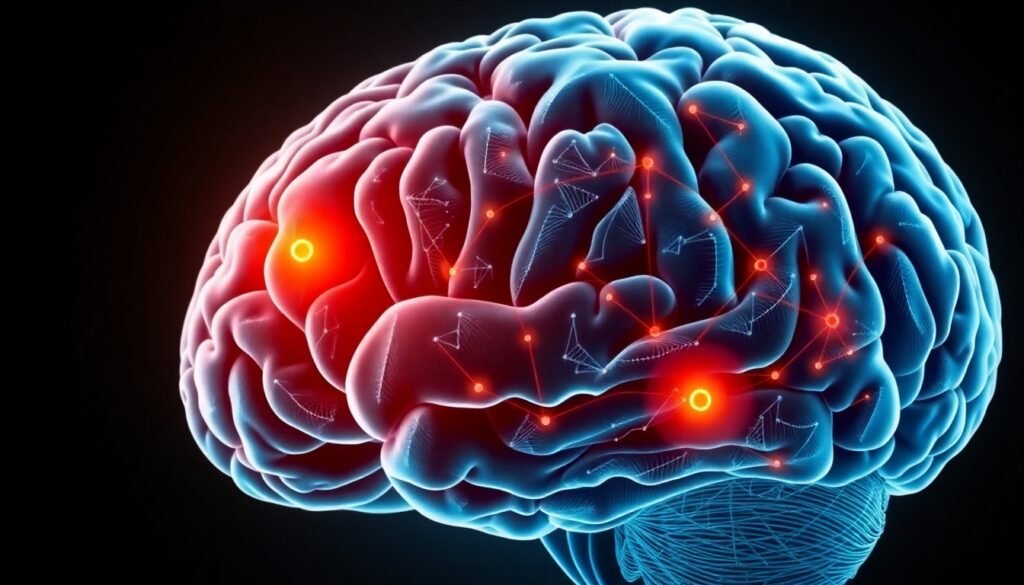
Multiple sclerosis (MS) is a relentless condition where the body’s own immune system turns against the central nervous system, attacking the protective myelin sheath that insulates nerve fibers. For many, the disease begins with cycles of relapse and remission. However, a significant number of patients eventually transition to progressive MS, a phase characterized by a steady, irreversible decline in neurological function. This form of the disease has been notoriously difficult to treat, leaving patients and clinicians with few effective options. Now, a groundbreaking discovery reported in the journal Neuron has illuminated a new culprit: a rare and unusual type of brain cell that may be a central player in driving the disease’s progression.
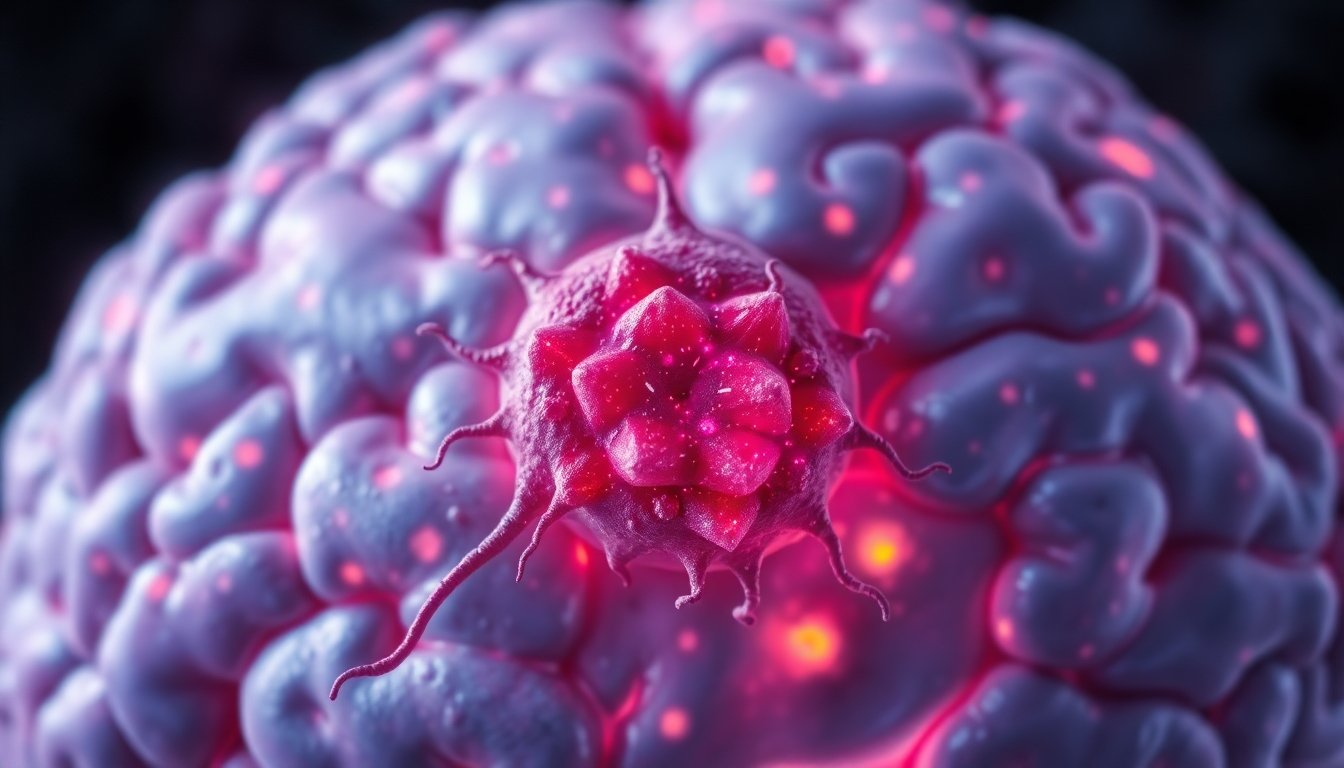
Scientists from the University of Cambridge and the U.S. National Institute on Aging have identified what they call disease-associated radial glia-like cells, or DARGs. These cells, found in far greater numbers in patients with progressive MS, appear to be stuck in a bizarre state of cellular confusion, behaving like both infant and elderly cells simultaneously. This discovery not only provides a crucial new piece in the puzzle of progressive MS but also opens a promising new door for targeted therapies.

A ‘Disease in a Dish’ Reveals a Cellular Paradox
To understand the complex cellular mechanics of progressive MS, the research team employed an innovative “disease in a dish” strategy. They began by taking skin cells from patients with the condition and, through a sophisticated reprogramming process, transformed them into induced neural stem cells (iNSCs). These iNSCs are immature cells with the remarkable ability to develop into various types of brain cells, allowing scientists to model the disease process in a controlled laboratory setting.
As they observed these cultures, they noticed something unexpected. A subset of the cells derived from progressive MS patients was reverting to an even earlier developmental stage, morphing into a cell type known as a radial glia-like cell. These cells appeared approximately six times more frequently in the MS patient-derived cell lines compared to those from healthy individuals, earning them the designation of DARGs.
What makes this finding so fascinating is the paradoxical nature of these cells. On one hand, they resemble radial glia, which are specialized cells that act as a scaffold during early brain development, guiding the formation of the brain’s architecture. In this sense, the DARGs are reverting to an ‘infant’ state. On the other hand, these same cells display clear hallmarks of senescence, or premature aging. They are old and young at the same time, a dysfunctional combination that appears to wreak havoc in the brain.
The Inflammatory Instigators
So, what exactly are these rogue cells doing? The research revealed that DARGs are not merely passive, malfunctioning bystanders; they are active instigators of damage. These cells possess a unique epigenetic profile—a pattern of chemical tags on their DNA that controls which genes are turned on or off. This profile makes them hyper-responsive to interferons, which are the immune system’s primary alarm signals.
In a healthy brain, this response helps fight off infection. In the context of progressive MS, however, the DARGs overreact, releasing a flood of inflammatory signals that create a toxic environment. Professor Stefano Pluchino, a senior author of the study, explains the destructive role of these cells vividly: “Essentially, what we’ve discovered are glial cells that don’t just malfunction – they actively spread damage. They release inflammatory signals that push nearby brain cells to age prematurely, fuelling a toxic environment that accelerates neurodegeneration.”
To confirm that these findings weren’t just an artifact of their lab model, the team cross-referenced their results with human data. By analyzing post-mortem brain tissue from individuals who had progressive MS, they found direct evidence of DARGs. Crucially, these cells were located precisely where the most significant damage occurs: within chronically active lesions. They were also found in close proximity to inflammatory immune cells, confirming their role as key orchestrators of the persistent inflammation that characterizes the disease.
A New Horizon for Treatment
The identification of DARGs is more than just an academic breakthrough; it represents a tangible target for new therapies. For the first time, researchers have a specific, disease-driving cell type to focus on in the fight against progressive MS. The next steps are already underway to translate this discovery into clinical applications.
“We’re now working to explore the molecular machinery behind DARGs, and test potential treatments,” says Dr. Alexandra Nicaise, co-lead author of the study. “Our goal is to develop therapies that either correct DARG dysfunction or eliminate them entirely.”
Two primary therapeutic avenues are being explored. The first involves finding drugs that can ‘repair’ the dysfunctional DARGs, calming their inflammatory response and restoring normal function. The second, more aggressive approach, would be to use senolytic treatments—drugs designed to selectively destroy senescent cells—to remove the DARGs from the brain altogether. If successful, either strategy could lead to the first truly disease-modifying therapies for progressive MS, offering a glimmer of hope to the thousands living with this condition.
This research may also have implications beyond MS. While DARGs have been spotted in a few other diseases, such as the brain cancer glioblastoma, the tools to identify them have been limited until now. The methods used in this study could help uncover the role of these paradoxical cells in other neurodegenerative diseases, potentially changing our understanding of how chronic inflammation drives brain damage across a spectrum of conditions.
Reference
Nicaise, A., Mumbach, M. R., D’Anna, R., Faria, A., Flynn, P., Senturk, G., Llufriu-Dabén, G., Sivakumaran, M., Lazzarano, S., Zendedel, A., Volpe, G., Williamson, J. C., Laterza, C., Squillaro, M., Donegà, M., Lavdovskaia, E., van der Meer, F., Franklin, R. J. M., Simons, M., … Chang, A. (2024). Integrated multi-omics reveals disease-associated radial glia-like cells with epigenetically dysregulated interferon response in progressive multiple sclerosis. Neuron. https://doi.org/10.1016/j.neuron.2024.04.029