Emerging Strategies for Repairing Damaged Nerves in MS Using ERβ Ligands
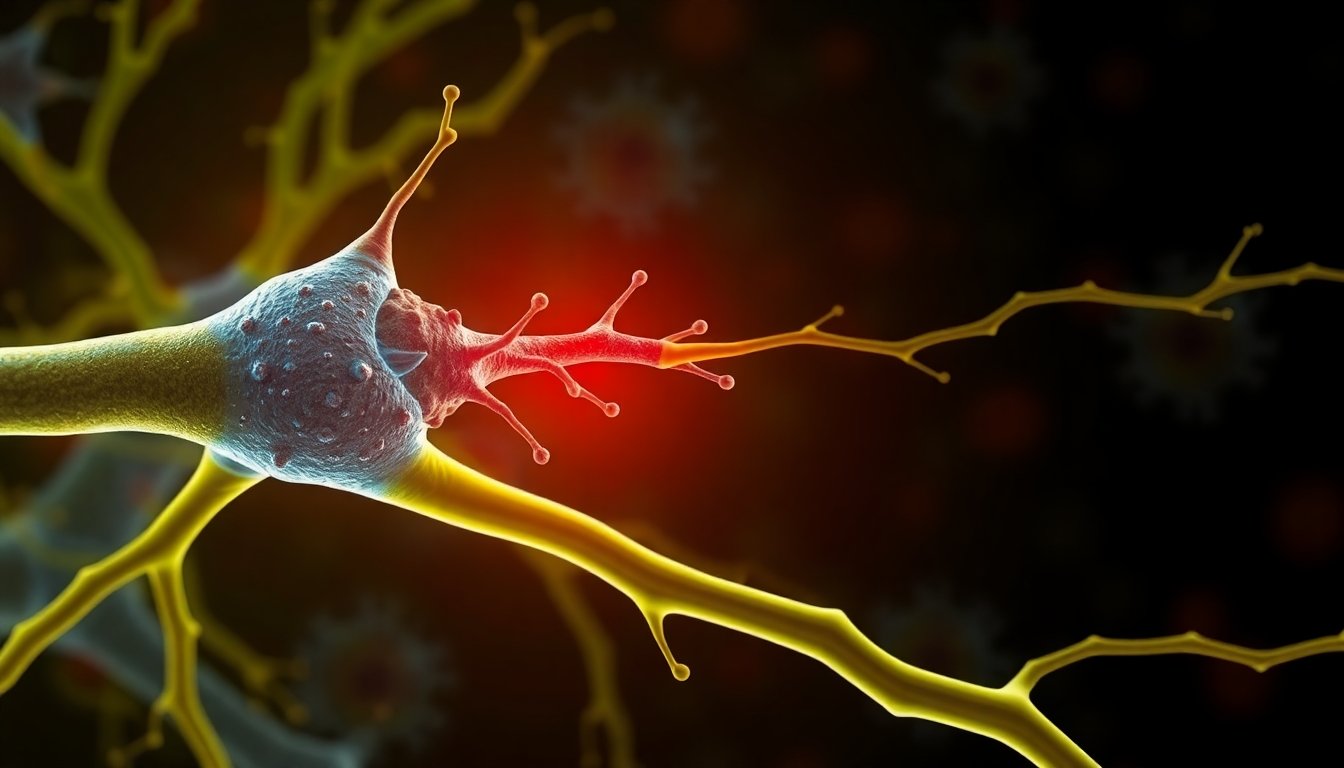
Multiple sclerosis (MS) is a chronic autoimmune disorder where the body’s immune system mistakenly attacks and strips away the myelin sheath—a protective covering that surrounds neurons. This process disrupts the transmission of nerve signals, leading to a cascade of symptoms, including motor dysfunction, visual impairments, and cognitive decline. While current treatments can slow progression and ease symptoms, most fail to restore lost neuronal function or meaningfully improve quality of life, especially as MS advances from relapsing–remitting forms to progressive stages.
A central goal for MS therapy is not only to tame the immune attack but also to actively promote the repair—or remyelination—of damaged neurons. The ideal therapy would therefore need to achieve both immune regulation and neural repair. Recent research is focusing on selective ligands that target estrogen receptor β (ERβ), which is widely found in brain and other tissues and is known to influence inflammation, neuroprotection, and tissue maintenance. Unlike other estrogen receptors, ERβ has shown strong anti-inflammatory and neuroprotective effects, making it a promising target for new MS treatments.
The Science Behind ERβ Ligands and Remyelination
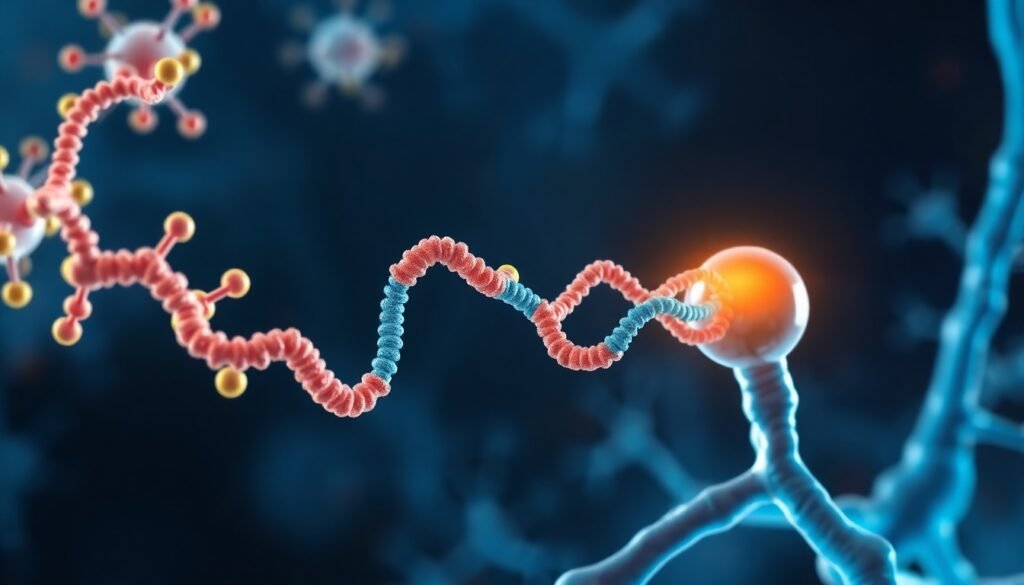
Previous work has identified a class of chemical compounds—specifically, indazole-core ligands—that can selectively bind to ERβ. These molecules appear to help tame immune activity and stimulate the regeneration of oligodendrocytes (OLs), the cells responsible for making new myelin sheaths. However, not all ERβ ligands are created equal, and only certain ones display both immune-modulating and remyelinating actions.
To further refine these promising drug candidates, researchers developed and analyzed two novel chloroindazole-based ERβ ligands, named K102 and K110. Their objective: to evaluate whether these small molecules could cross into the brain, selectively activate ERβ, display a favorable safety profile, and—most importantly—deliver measurable benefits in animal models of MS.
Testing the Candidates: Pharmacology, Brain Penetration, and Safety
K102 and K110 were initially assessed for their binding affinity and selectivity using laboratory assays. Both molecules displayed high ERβ selectivity and effectiveness, with only minimal interaction with related estrogen receptors that could produce unwanted side effects (for instance, in reproductive tissues). Metabolic stability tests showed that both K102 and K110 were broken down slowly in mouse and human liver cells, indicating desirable drug-like properties and potential for practical dosing.
Pharmacokinetic studies—testing how well and how long the compounds remain in the bloodstream and the brain—confirmed that both K102 and K110 penetrate the blood–brain barrier effectively, a crucial requirement for drugs intended to act on the central nervous system. Even after oral dosing, levels of the unbound (active) drug in the brain were deemed high enough to meaningfully impact ERβ signaling.
Importantly, neither K102 nor K110 increased uterine weight in mice (a concern with ERα-selective estrogenic drugs), further reinforcing their safety profile.
Promoting Myelin Regeneration—From Cell Cultures to Mouse Models
Oligodendrocyte Differentiation in the Lab
To test whether the compounds could stimulate the creation of new myelin, primary mouse brain cultures containing immature OLs were treated with K102 or K110. Both drugs increased the number of mature, myelin-producing OLs compared to untreated controls, indicating a direct pro-myelinating action.
Further experiments using co-cultures of neurons and OLs showed that, when exposed to K102 or K110, OLs more effectively wrapped their processes around neuronal axons—a proxy for new myelin sheath formation.
Remyelination In Vivo: Mouse Models of Demyelination
The compounds were put to the test in two major mouse models of MS:
- The cuprizone (CPZ) model, which chemically strips myelin from neurons without significant immune involvement.
- The experimental autoimmune encephalomyelitis (EAE) model, which mimics the immune-driven demyelination of MS.
In the CPZ model, treatment with K102 or K110 led to an increase in myelin staining and mature OL numbers in affected brain regions (e.g., the corpus callosum), as well as modest reductions in markers of inflammation. These findings pointed to a genuine remyelination effect, even in the absence of major immune attacks.
In the EAE model, K102 in particular emerged as a standout performer, producing a greater reduction in clinical disease scores than previous ERβ ligands. Mice treated with K102 showed improved motor function, fewer immune cells infiltrating their brain tissue, and robust increases in markers of axonal health and remyelination in the optic nerve—a crucial site involved in MS-related vision loss.
Vision Restored: Protective Effects on the Visual Pathway
MS often affects the visual system early in the disease. Using non-invasive techniques, the study measured changes in the retina and optic nerve of mice. K102 preserved retinal nerve fiber thickness, increased the number of surviving retinal ganglion cells, and restored vision-related electrical signaling (as measured by visual evoked potentials and electroretinograms) toward healthy levels.
These improvements not only reflect remyelination but also a reduction in neuroinflammation, as shown by lower levels of immune cell (CD45), microglial (Iba1), and astrocyte (GFAP) markers in treated animals.
Immune Modulation and Gene Expression Shifts
Exposure to K102 or K110 shifted the immune landscape in MS-model mice: both compounds reduced levels of pro-inflammatory cytokines such as IFNγ and TNFα, as well as chemokines like CXCL10 that are linked to oligodendrocyte loss. Furthermore, high-throughput gene expression profiling of optic nerve tissue identified two gene pathways—Ccr2 and Cpt1b—shifted in response to treatment, both relevant to immune-cell recruitment and energy metabolism in myelinating cells.
What It Means: Clinical Promise and the Road Ahead
K102 and, to a lesser extent, K110 display the rare combination of immune modulation and direct promotion of neural repair. The preclinical data position K102 in particular as a strong candidate for future clinical trials targeting relapsing–remitting and progressive forms of MS.
While further studies are required to evaluate safety and efficacy in humans, these novel ERβ ligands represent an exciting advance: medications that could one day repair the neural damage wrought by MS, not just suppress symptoms.

Reference:
Feri, M., et al. (2025). Chloroindazole based estrogen receptor β ligands with favorable pharmacokinetics promote functional remyelination and visual recovery. Scientific Reports. https://www.nature.com/articles/s41598-025-20254-9