A groundbreaking study challenges a core belief in neuroscience, finding that the link between childhood maltreatment and specific brain changes isn’t as clear as we thought.
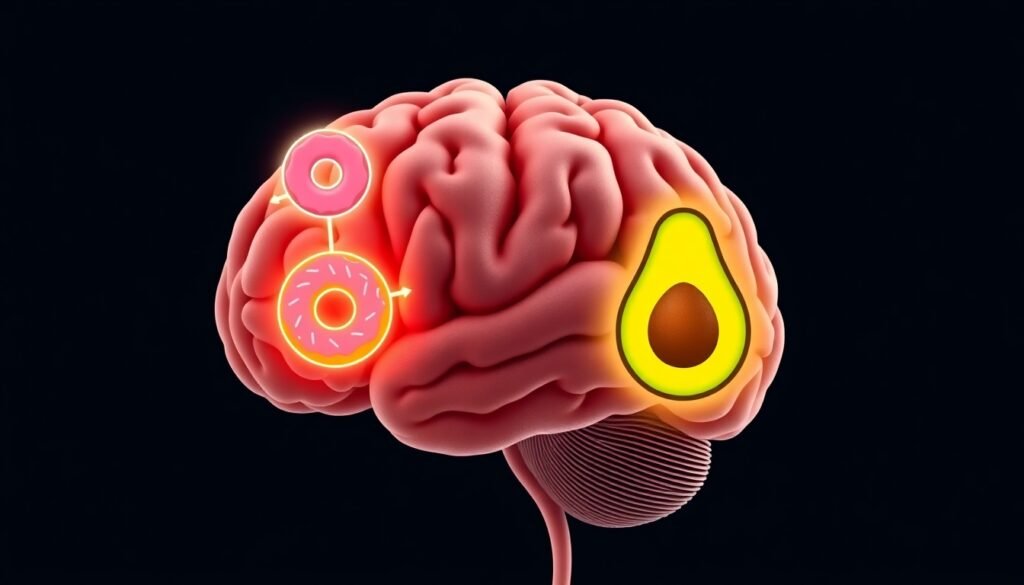
For decades, a powerful narrative has taken hold in both science and popular culture: childhood trauma leaves indelible scars on the brain. We’ve been told that experiences of abuse and neglect can physically alter brain structure, shrinking key areas like the hippocampus (involved in memory) and the amygdala (the brain’s fear center). This idea provides a compelling biological explanation for why early adversity is a major risk factor for mental health conditions like major depressive disorder (MDD).
But what if the picture isn’t that clear? While the concept is intuitive, the scientific evidence has been surprisingly messy. One study might link trauma to changes in the prefrontal cortex, while another points to the cerebellum, and yet another finds no effect at all. This inconsistency, or “heterogeneity,” has created a confusing puzzle for neuroscientists. Is this variability due to small, underpowered studies, differences in how trauma is measured, or a publication bias where only “exciting” positive findings see the light of day? A new, large-scale study decided to tackle this question head-on, and its findings are sending ripples through the field.
In an unprecedented effort to establish a ground truth, a team of European researchers conducted a massive multi-cohort study. They combined data from three large, independent German research groups, totaling over 3,200 adult participants. Each person completed the same detailed questionnaire about their experiences with childhood maltreatment (CM) and underwent a high-resolution MRI brain scan. The researchers used harmonized, state-of-the-art methods to analyze the gray matter—the brain tissue containing most of the neuronal cell bodies—across all participants. Their goal was simple but profound: to see if the same associations between childhood trauma and brain structure would consistently appear across all three independent groups. This is the gold standard of scientific replicability.

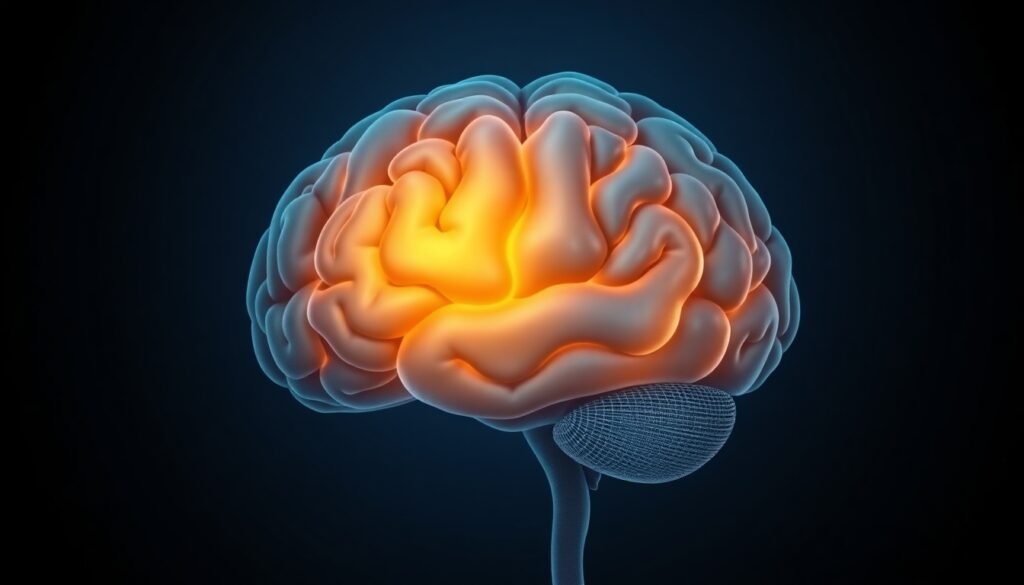
The results were startling. Across a battery of 18 different statistical models—testing everything from overall trauma severity to specific subtypes like physical abuse or emotional neglect—the study found essentially no replicable, localized changes in gray matter associated with childhood maltreatment. While a single cohort might show a small, statistically significant “blip” in one brain region, that same effect failed to appear in the other two cohorts. This lack of replication held true when they analyzed men and women separately, compared individuals with severe trauma to those with none, and even looked for interactions with age. The frequently reported shrinkage in the hippocampus or amygdala? The study failed to replicate those findings, too.
So, does this mean decades of research were wrong? The answer lies in a crucial plot twist: the confounding role of depression. Childhood maltreatment and depression are deeply intertwined; individuals who experience CM are at a much higher risk of developing MDD. The researchers discovered that when they ran their analyses without statistically controlling for a diagnosis of MDD, large and widespread brain alterations suddenly appeared.
This is the study’s most critical insight. It suggests that many previous findings may not have been detecting the unique signature of trauma itself, but rather the well-established brain signature of depression. The trauma was the risk factor, but the depression may have been the more direct correlate of the brain changes. In fact, while the direct link between CM and brain structure was non-replicable, the association between CM and a diagnosis of MDD was incredibly strong and consistent across all three cohorts. The psychological wound was clear and replicable; the specific structural scar on the brain was not.
It is essential to be clear about what these findings do and do not mean. They do not, in any way, diminish the devastating and long-lasting impact of childhood trauma. The psychological, emotional, and clinical consequences are real, profound, and well-documented. What this study challenges is the overly simplistic neurobiological model that these experiences cause specific, predictable, and easily localized shrinkage in brain regions. The brain’s response to adversity may be far more subtle, diffuse, or individualized than we previously assumed. The effects might lie in brain function or connectivity—the way brain regions talk to each other—rather than in the volume of the structures themselves.
Ultimately, this research is less of an ending and more of a crucial course correction. It serves as a powerful case study in the ongoing “replication crisis” affecting many scientific fields, including neuroimaging. It underscores the danger of building theories on small, underpowered studies and highlights the urgent need for more rigorous, transparent, and collaborative science. By embracing large-scale replication efforts, preregistering analysis plans, and being willing to publish “null findings” like this one, the field can build a more solid and trustworthy foundation.
This study pushes us to ask more nuanced questions and to be more humble in our conclusions. The story of how trauma shapes the brain is not closed. Instead, this work has opened a new, more complex, and ultimately more honest chapter in our quest to understand the intricate dance between life experience and human biology.
Reference
Winter, N. R., Cearns, M., Forkel, S. J., Spalthoff, S., Goltermann, J., Grotegerd, D., … & Dannlowski, U. (2024). Gray matter correlates of childhood maltreatment lack replicability in a multi-cohort brain-wide association study. Nature Communications, 15(1), 4858. https://doi.org/10.1038/s41467-024-49137-w