A class of medications famous for managing diabetes and weight loss is showing surprising potential in treating the complex mechanics of bipolar disorder, opening a new chapter in psychiatric medicine.
Bipolar disorder (BD) is a complex and often debilitating mental health condition characterized by extreme shifts in mood, energy, and activity levels. For decades, treatment has primarily focused on mood stabilizers and antipsychotics, which, while effective for many, come with limitations and significant side effects. However, a groundbreaking area of research is exploring an unexpected connection: the link between metabolic health and brain function. This has led scientists to investigate whether drugs originally designed for diabetes could be repurposed to offer new hope for individuals with bipolar disorder.

At the heart of this new approach are Glucagon-like Peptide-1 (GLP-1) receptor agonists. You might know them by brand names like Ozempic or Wegovy. These drugs have revolutionized the treatment of type 2 diabetes and obesity. They work by mimicking a natural gut hormone, GLP-1, which helps regulate blood sugar and signals a feeling of fullness to the brain. But as it turns out, the influence of GLP-1 extends far beyond the digestive system.
The Overlap Between Metabolism and Mood
The link between bipolar disorder and metabolic issues is well-documented. Individuals with BD have a significantly higher risk of developing type 2 diabetes, obesity, and insulin resistance. For a long time, this was partly attributed to the side effects of certain psychiatric medications, which can cause weight gain. While that remains a factor, researchers now believe the connection runs much deeper, right down to the cellular level.
Both bipolar disorder and metabolic syndrome share common underlying biological pathways. These include chronic low-grade inflammation, mitochondrial dysfunction (problems with the energy-producing powerhouses of our cells), and oxidative stress. Essentially, the same systemic issues that can disrupt the body’s metabolism may also be disrupting the brain’s delicate chemistry. This realization has paved the way for a paradigm shift: if we treat the metabolic dysregulation, can we also improve the symptoms of bipolar disorder?
How GLP-1 Agonists Work in the Brain
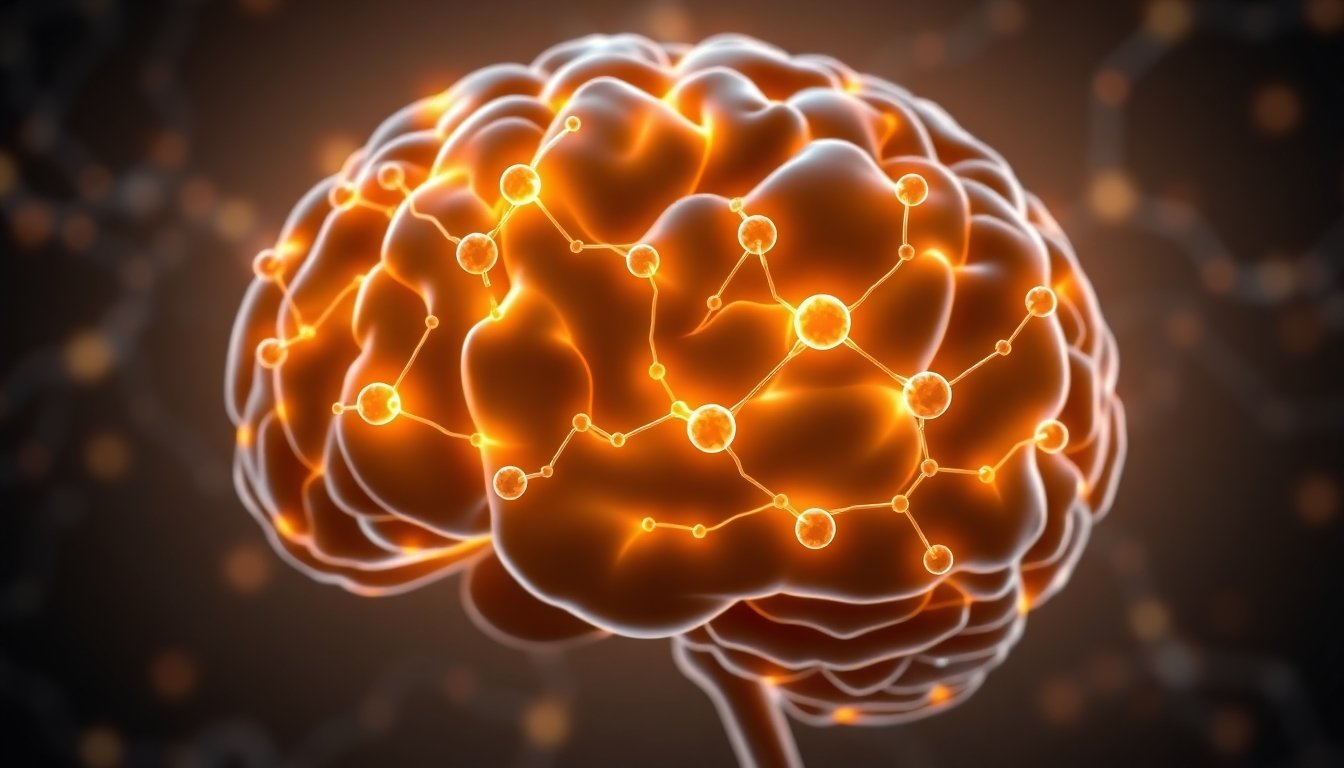
The key discovery was finding that GLP-1 receptors are not just in the pancreas and gut; they are widespread throughout the brain in regions critical for mood regulation, cognition, and reward, such as the hippocampus and amygdala. Furthermore, many GLP-1 agonist drugs can cross the blood-brain barrier, allowing them to exert direct effects on the central nervous system. Preclinical and emerging clinical evidence suggests they may combat the neurobiology of bipolar disorder through several mechanisms:
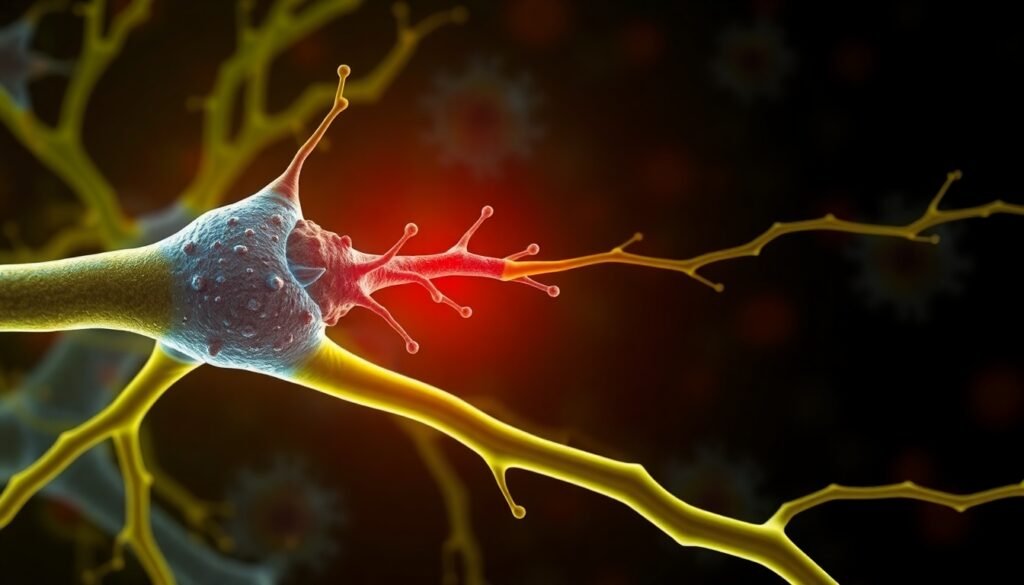
- Reducing Neuroinflammation: Chronic inflammation in the brain is a key suspect in the pathology of mood disorders. GLP-1 agonists have demonstrated powerful anti-inflammatory properties, helping to calm this inflammatory response and protect brain cells from damage.
- Boosting Neurogenesis and Brain Plasticity: Bipolar disorder is associated with reduced levels of Brain-Derived Neurotrophic Factor (BDNF), a protein vital for the survival of existing neurons and the growth of new ones. Studies show that GLP-1 agonists can increase BDNF levels, promoting neurogenesis and enhancing the brain’s ability to adapt and form new connections—a process known as neuroplasticity.
- Improving Cellular Energy: Mitochondria are the batteries of our cells. In bipolar disorder, these batteries often seem to be running low, leading to a cellular energy crisis. GLP-1 agonists appear to improve mitochondrial function and integrity, helping to restore proper energy balance within brain cells and reduce damaging oxidative stress.
- Rebalancing Neurotransmitters: Mood, reward, and motivation are governed by neurotransmitters like dopamine, serotonin, and GABA. GLP-1 agonists have been shown to modulate these systems. For instance, by influencing dopamine signaling in the brain’s reward circuits, they may help regulate the highs of mania and the lows of depression. This same mechanism is why these drugs are also being investigated as potential treatments for substance use disorders, which are frequently comorbid with BD.
The Evidence and the Road Ahead
So far, the results are promising. In animal models of bipolar disorder, treatment with GLP-1 agonists has been shown to reduce both mania-like hyperactivity and depression-like behaviors. In humans, the evidence is still in its early stages but is highly encouraging. Pilot studies have found that liraglutide, a GLP-1 agonist, can improve cognitive function in individuals with mood disorders. Other studies have shown these drugs effectively manage the weight gain associated with antipsychotic medications, addressing a major quality-of-life issue for patients.
Furthermore, large-scale data analyses have correlated the use of GLP-1 agonists with a lower incidence of depression and anxiety diagnoses in the general population. While these studies were not specific to bipolar disorder, they add to the growing body of evidence supporting the mood-stabilizing effects of these medications.
The prospect of repurposing a well-understood class of drugs for a new and critical purpose is incredibly exciting. It represents a move towards a more holistic understanding of mental illness, one that recognizes the profound connection between the body and the brain. By targeting the metabolic and inflammatory roots of bipolar disorder, GLP-1 receptor agonists may offer a multi-pronged therapeutic strategy that current treatments lack.
Of course, more research is needed. Large, randomized controlled trials specifically designed for patients with bipolar disorder are the necessary next step to confirm these benefits and establish safe and effective treatment protocols. But for the first time, a path is emerging where a single class of medication could potentially treat the mood symptoms of bipolar disorder, improve cognitive function, and address the metabolic comorbidities that so often accompany it. This is more than just a new drug; it’s a new way of thinking about mental health.
Reference
McIntyre, R. S., Lee, Y., Mansur, R. B., Di Vincenzo, J. D., Guo, Z., Teopiz, K. M., Lee, S., Chen, B. S., Mahat, T. M., Gill, H., Lui, L. M. W., Nasri, F., Rosenblat, J. D., & Subramaniapillai, M. (2024). Glucagon-like Peptide-1 receptor agonists as emerging therapeutics in bipolar disorder: a narrative review of preclinical and clinical evidence. Molecular Psychiatry. https://doi.org/10.1038/s41380-024-02631-0