How Neuroscience is Shedding Light on Emotional Outbursts in Sensitive Kids
Why do some children become overwhelmed by the world around them—reacting with strong emotions to ordinary noises, touches, or lights—while others seem unfazed? A recent study from UC San Francisco unveils new insights into the brains of neurodivergent children, revealing how sensory overload may underlie tantrums and emotional volatility.
The Science of Sensory Overload
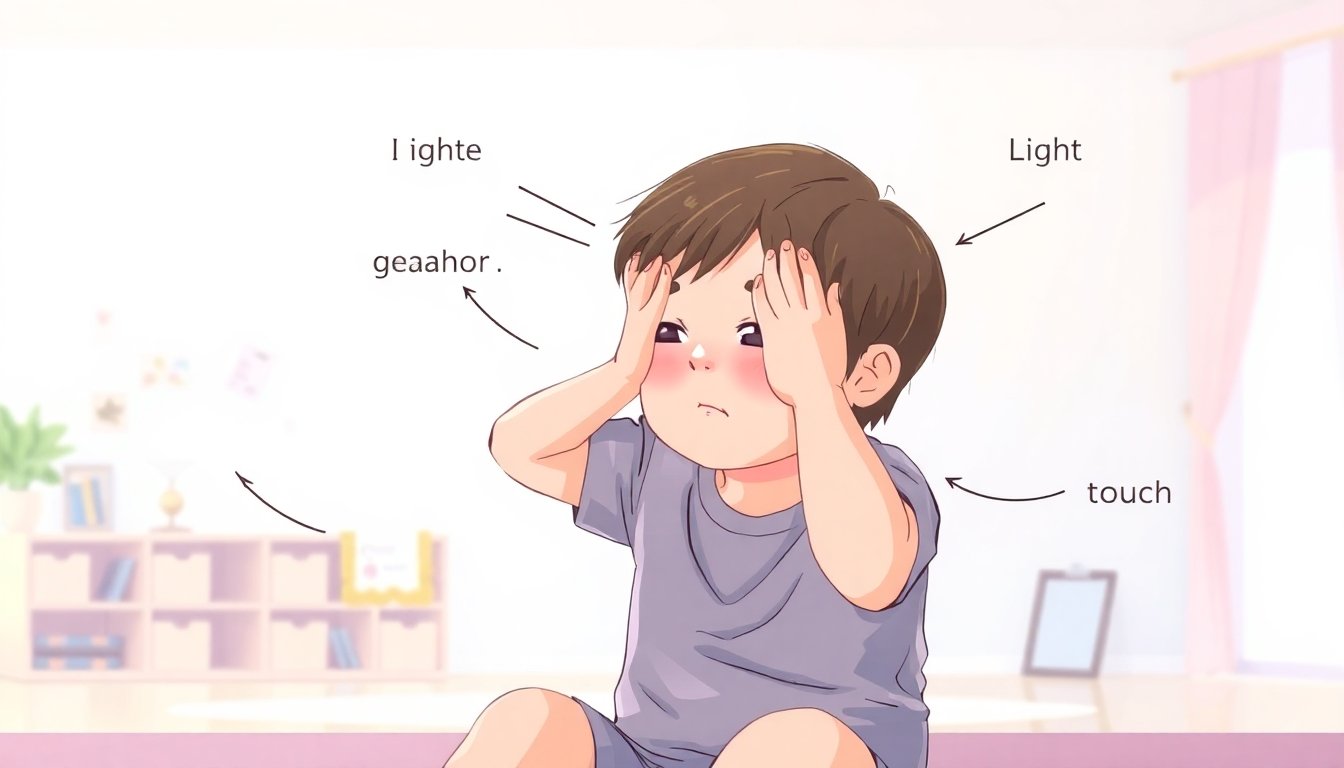
Imagine the sharp clang of a school bell, the itch of a tag in a shirt, or the glare of classroom lights. For certain children, everyday sensory signals can feel like an avalanche of input, sending their brains into overdrive. This phenomenon, known as sensory over-responsivity (SOR), falls under the broader umbrella of sensory processing disorder—a condition that affects how individuals interpret and respond to sensory information.
Despite being common—involving 5% to 12% of school-age children in the United States—sensory processing disorder does not have an official medical diagnosis. For affected children, sensory overload often leads to emotional outbursts and behavioral challenges, notably tantrums.
Unraveling Neural Patterns with Functional MRI
Researchers at UCSF, led by Dr. Pratik Mukherjee and Dr. Elysa Marco, set out to understand the neural mechanisms behind these intense reactions. Their study involved 83 neurodivergent children, aged 8 to 12. About half of these children had high sensitivity to sensory stimuli, while the other half did not exhibit such sensitivities.
Using functional MRI (fMRI)—a technology that measures brain activity by detecting changes in blood oxygen levels—the researchers uncovered a striking pattern. Children who became overwhelmed by sensory input displayed reduced activation in the brain networks responsible for external sensations and motor functions. At the same time, they showed increased activity in networks tied to inward, cognitive, and impulse-control functions.
In contrast, children who were less responsive to sensory input exhibited the opposite pattern: their "outward" networks were more engaged during sensory experiences, while their inward-focused networks were less active.
Compensating for Sensory Overload
What does this mean in practical terms? Dr. Mukherjee explains: “When you’re overstimulated by sensory input, you compensate by dialing up your brain’s inward-focused networks to gain self-control. You also dial down your outward-focused networks to minimize sensory input.”
This internal balancing act—ramping up cognitive control while suppressing sensory processing—appears to help some children manage the chaos of overwhelming sensations. However, this compensation comes at a cost: it requires tremendous emotional and cognitive effort, which can lead to moments of dysregulation and outbursts, such as tantrums.
Children who are resilient—able to manage their emotions well—demonstrate this distinct dissociation between networks. On the other hand, children who struggle with emotional regulation show a different neural pattern, hinting at a complex interplay between sensory processing and self-control.
A Personalized Approach to Treatment
The findings from UCSF carry important implications for therapy. Currently, one common intervention for sensory over-responsivity is slow, graded exposure to sensory stimuli—helping children build up their tolerance over time. But these new brain mapping insights suggest that more could be done.
“If we know an individual child’s brain patterns and how that maps to emotion and behavior, we may be able to use this to personalize treatments,” Dr. Mukherjee proposes. Instead of a one-size-fits-all approach, therapies could be tailored based on a child’s unique neural signature, potentially improving their ability to handle sensory-rich environments.
Beyond the Tantrum: What’s Next in Research?
This study marks a step forward in understanding the roots of emotional volatility tied to sensory overload. Future research could delve deeper into how these neural network patterns develop over time, how they differ among neurodivergent populations, and which interventions best support children at risk of overwhelm.
By linking behavioral symptoms—like tantrums—to brain activity, scientists and clinicians are moving closer to developing more nuanced diagnoses and effective interventions that reflect each child’s individuality.
The Bottom Line
Not all tantrums are created equal. For some children, emotional outbursts may signal an invisible struggle happening at the neural level, shaped by how their brains process the world. Through advanced imaging and a growing understanding of sensory processing differences, science is paving the way for kinder, more effective support for children—and families—dealing with sensory overload.
Reference
Marco, E., et al. (2025). "A neural substrate for sensory over-responsivity defined by exogenous and endogenous brain systems." Journal of Neurodevelopmental Disorders.