Understanding the Microscopic Mechanisms That Shape Sensory Perception
Imagine walking into your favorite coffee shop. You know the scent will greet you, where the counter is, and likely, who is behind it. Our brains thrive on prediction; every moment, they anticipate what comes next from the endless stream of sensory inputs that reach our senses. But how does the brain pull off this neural magic?
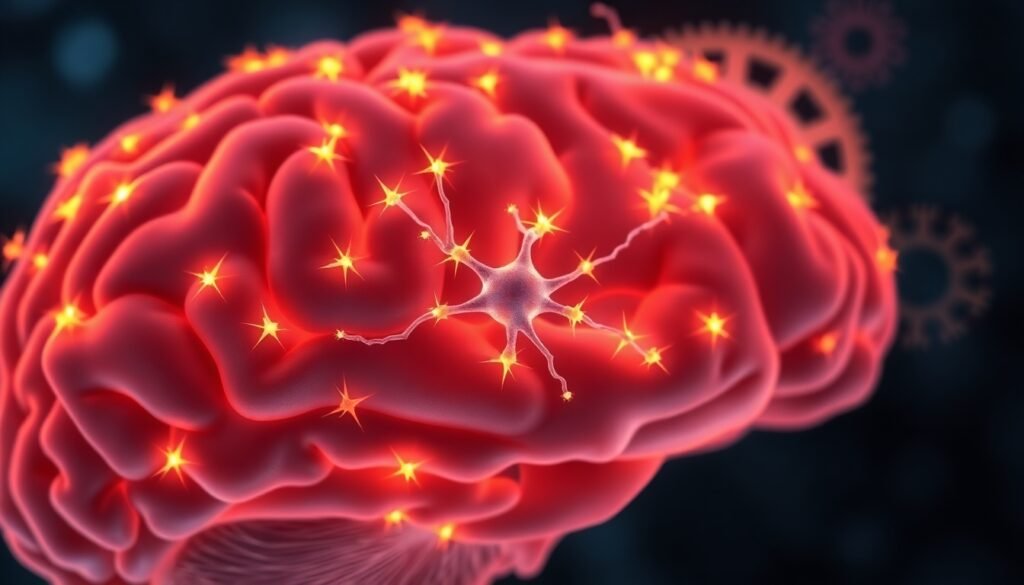
A new wave of neuroscience is unraveling the complex dance of neurons responsible for what’s called expectation suppression—a phenomenon where the brain reduces its response to expected stimuli, effectively filtering out the predictable so it can focus on the unexpected. A central finding in the research spotlight is the role of feature-selective inhibitory mechanisms within the cortex, the brain’s outermost neural layer responsible for perception, thought, and action.
This article explores how the brain’s tiny inhibitory circuits, tuned to specific features like a particular sound or motion, mediate our ability to predict—and suppress—the familiar, based on a comprehensive look at recent findings in cortical microcircuits.
Decoding Expectation Suppression
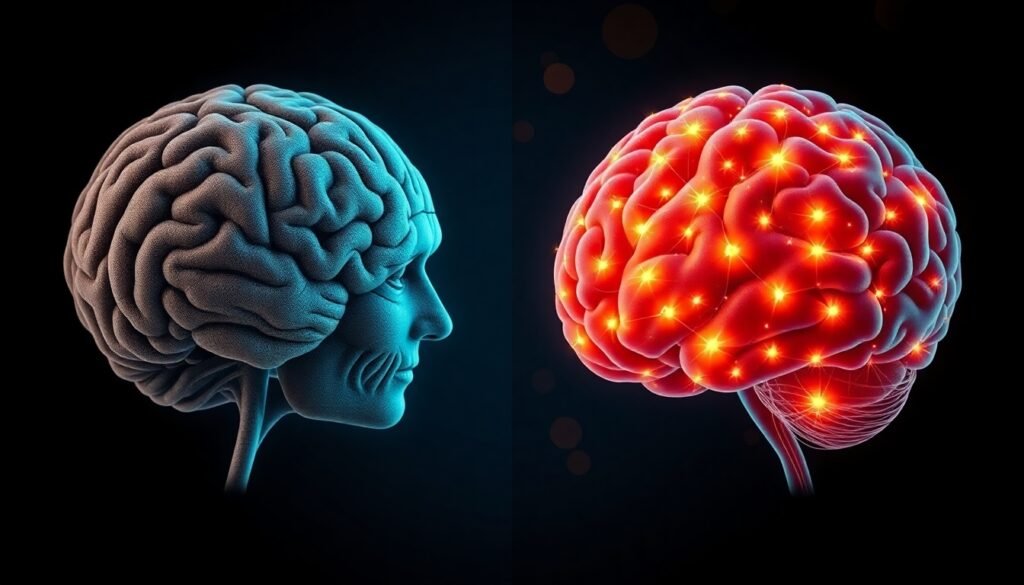
Expectation suppression is not just a buzzword—it’s a real, measurable effect. When your brain expects something, the neural response is weaker than when it’s caught by surprise. This phenomenon is observable in early auditory and visual brain regions and is foundational to the concept of predictive coding, which suggests the brain constantly generates hypotheses about incoming sensory information. When predictions align with reality, less processing is needed, allowing the brain to conserve resources and prioritize novelty.
But at the microscopic level, how is this achieved?
The Cortical Cast: Inhibitory Neurons Take Center Stage
Much of our understanding comes from studies in primary sensory cortices, where neurons are organized to code for particular features—like orientation in vision or pitch in audition. Within these circuits, inhibitory neurons, which regulate and constrain the activity of their neighbors, play crucial roles. Surprisingly, inhibitory neurons themselves can be finely tuned to certain stimulus features, not just functioning as global dampeners.
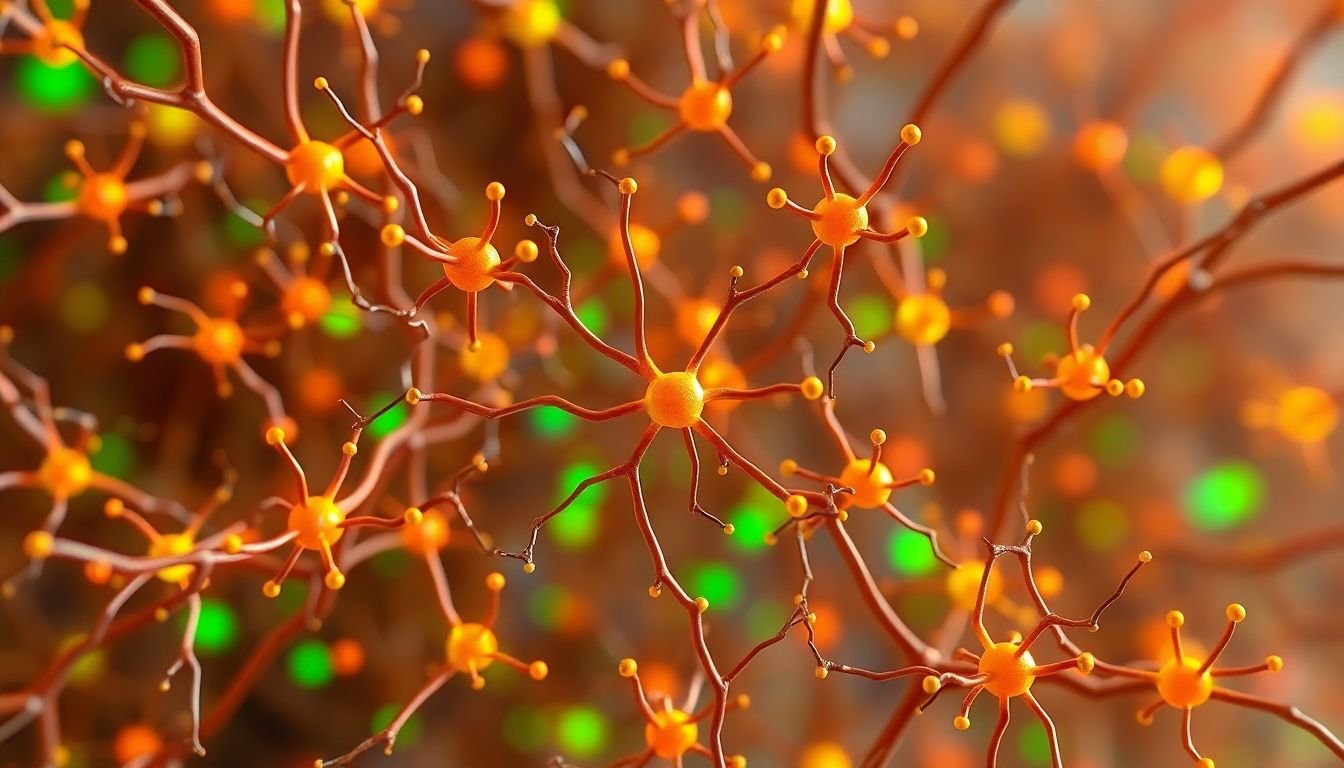
Among inhibitory neurons are distinct subclasses. Parvalbumin-positive (PV), somatostatin-positive (SST), and vasoactive intestinal peptide-expressing (VIP) interneurons each have their own connectivity patterns and response properties. PV interneurons tend to provide fast, broad inhibition, SST cells target specific dendritic regions (shaping how inputs are integrated), and VIP interneurons can regulate other inhibitory cells, creating circuits of inhibition-of-inhibition—or disinhibition.
Recent computational and experimental work demonstrates that these interneurons can be “feature selective”—that is, they preferentially inhibit neurons tuned to the same stimulus property (like a particular orientation or frequency). This selectivity allows inhibitory circuits to precisely sculpt responses to specific sensory features.
How Prediction Gets Wired Into the Circuit
So, when the brain consistently encounters a predictable stimulus—like the hum of a refrigerator or the sight of your daily commute—what happens at the circuit level? Research suggests that cortical microcircuits adjust the strength and specificity of inhibitory connections. Feature-selective inhibitory neurons become more engaged, suppressing the activity of excitatory cells tuned to expected features. In effect, this sharpens the brain’s representation of incoming stimuli—and reduces redundant neural firing for what’s already known.
Models rooted in predictive coding posit that excitatory neurons broadcast “predictions” of sensory inputs, while specific populations of inhibitory neurons (sometimes referred to as "prediction error neurons") signal mismatches. If predictions are fulfilled, inhibitory circuits selectively suppress further excitation, making neural responses more frugal.
Why Feature Selectivity Matters
Without feature-selective inhibition, the brain’s suppression mechanisms would be too broad and indiscriminate, dulling perception rather than enhancing it. Instead, selective inhibition ensures only information that matches established expectations is suppressed, keeping the system alert to surprises. This targeting is vital for learning and adaptation: when something unexpected occurs (a new voice at the café, a sudden sound at home), the absence of matching inhibition allows excitatory neurons to respond robustly, driving learning and updating predictive models.
Broader Implications and Open Questions
Understanding these mechanisms informs more than basic neuroscience. Disruption in prediction and selective inhibition is thought to underlie certain neuropsychiatric conditions, including schizophrenia and autism spectrum disorders, where sensory filtering and prediction often go awry. By mapping how these microcircuits develop and adapt, researchers hope to uncover therapies that restore healthy predictive function.
Moreover, the insights gained fuel advances in artificial intelligence. The very algorithms underpinning deep learning take inspiration from how the cortex balances prediction and error, using inhibitory-like mechanisms to control information flow.
Looking Ahead: The Continuing Quest to Map Neural Prediction
New technologies, such as two-photon imaging and optogenetics, are letting scientists glimpse these processes in action, watching as inhibitory and excitatory cells shape perception in living brains. Computational models, meanwhile, are growing more powerful, capable of simulating the interplay of thousands of feature-selective microcircuits.
The story of how the brain expects—and suppresses—has only begun to unfold. Every insight into this tiny neural ballet brings us closer to understanding how perception itself is constructed, not passively received but actively created moment by moment.
References
- Todorovic, A., & de Lange, F. P. (2012). Repetition suppression and expectation suppression are dissociable in time in early auditory evoked fields. Journal of Neuroscience, 32(39), 13389–13395. https://doi.org/10.1523/jneurosci.2227-12.2012
- Richter, D., & de Lange, F. P. (2019). Statistical learning attenuates visual activity only for attended stimuli. eLife, 8, e47869. https://doi.org/10.7554/elife.47869
- Summerfield, C., & de Lange, F. P. (2014). Expectation in perceptual decision making: neural and computational mechanisms. Nature Reviews Neuroscience, 15, 745–756. https://doi.org/10.1038/nrn3838
- Rao, R. P., & Ballard, D. H. (1999). Predictive coding in the visual cortex: a functional interpretation of some extraclassical receptive-field effects. Nature Neuroscience, 2, 79–87. https://doi.org/10.1038/4580
For more details, see the full study: "Feature selective inhibitory mechanisms enable expectation suppression in cortical microcircuits" Nature, 2025.