How Computational Modeling Sheds Light on Hippocampal Abnormalities and Lithium’s Neural Impacts
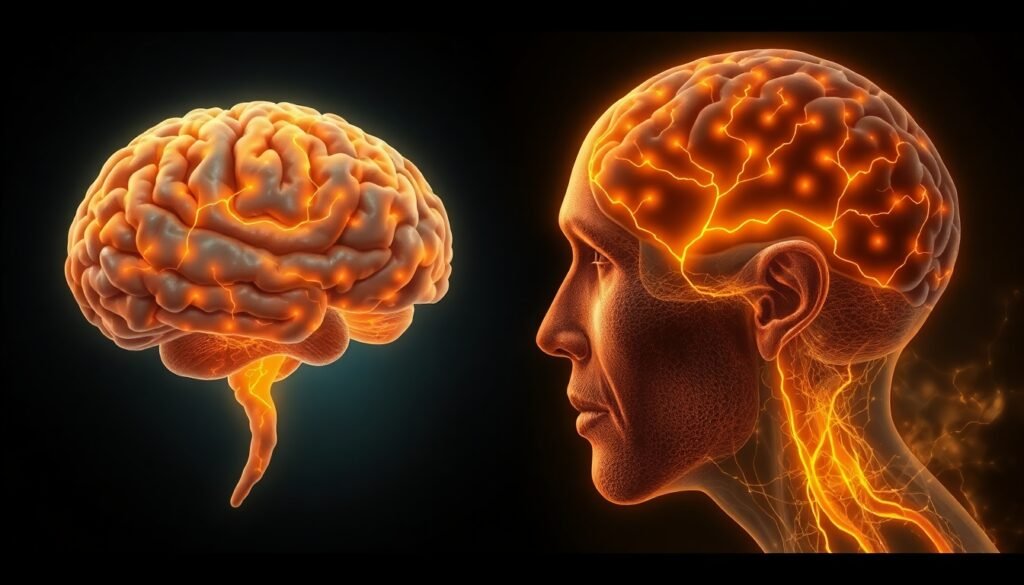
Bipolar disorder (BD) is a complex mood disorder known for its cyclical episodes of mania and depression. Beyond mood swings, individuals with BD commonly endure problems with memory—ranging from challenges in recalling autobiographical events to deficits in recognizing faces and verbal material. Researchers have been trying to link these cognitive symptoms to specific neural processes within the brain, with the hippocampus emerging as a key player.
Recent advances in neuroscience have enabled a unique window into the cellular and network-level abnormalities in BD, especially within the hippocampus’s dentate gyrus region. A newly published computational modeling study offers compelling insights into how aberrant activity at the level of individual granule cells could explain the memory and cognitive issues observed in BD, as well as the effects—sometimes helpful, sometimes problematic—of lithium therapy.

The Hippocampus: Memory, Emotion, and Context
The hippocampus acts as a neural crossroads for encoding complex memories, integrating signals from many brain areas involved in emotion, motivation, and executive function. As theories have evolved, it’s believed to help tether emotional responses to appropriate contexts—guarding against the kind of dysregulated affect seen in mood disorders.
In BD, disruptions in hippocampal function are well-documented: imaging studies have revealed both anatomical (e.g., reduced hippocampal size) and functional (e.g., hyperactive limbic areas) abnormalities. Notably, postmortem studies suggest an increase in excitatory signaling between granule cells in the dentate gyrus, and a reduction in inhibitory interneuron activity—both of which could upset the region’s delicate balance.
From Stem Cells to Neurons: Modeling BD in a Dish
A breakthrough in BD research has been the use of induced pluripotent stem cells (iPSCs) derived from patients’ blood cells, which are reprogrammed to grow into hippocampal-like neurons in the lab. These cellular models have uncovered a tendency for increased excitability in granule cells—particularly in those derived from patients who are clinically responsive or non-responsive to lithium therapy.
Intriguingly, only cells from lithium responders (LR) have their hyperexcitability normalized after lithium exposure in the lab—suggesting a potential biomarker for lithium effectiveness at the cellular level. Yet, the crucial open question remains: how do these cellular abnormalities scale up to affect memory and cognition at the network and behavioral levels?
Pattern Separation: The Neural Heart of Memory Precision
One of the hippocampus’s essential computations is pattern separation—the ability to transform similar inputs (such as two overlapping memories) into distinct neural representations. This process allows us to encode and retrieve precise memories without confusion—a quality often compromised in BD.
Granule cells in the dentate gyrus are central to supporting pattern separation. When functioning well, their activity is sparse and selective; strong inhibitory signals help enforce a "winner-take-all" regime, where only the most relevant neurons fire. When this system is disrupted, similar memories may blend together, leading to the kind of recognition and specificity problems seen in BD.
Building a Brain in Silico: The Computational Approach
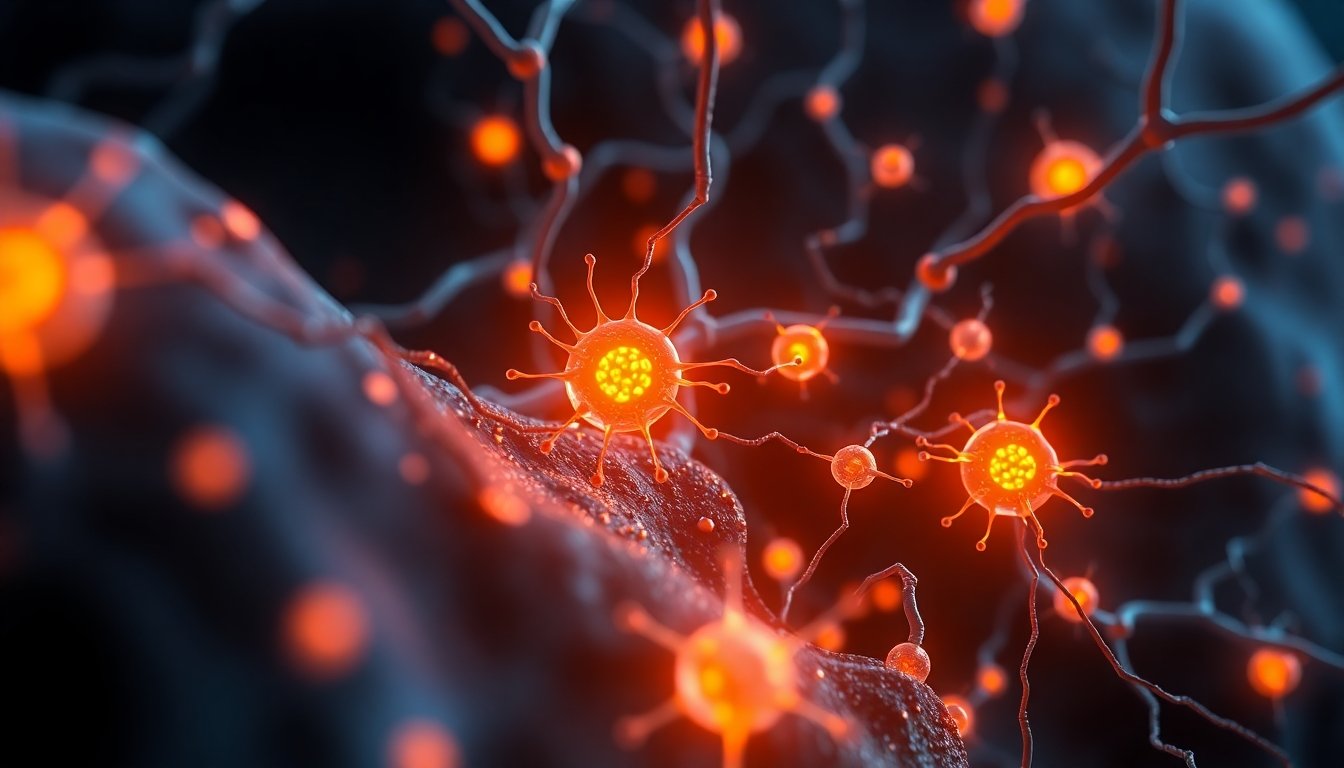
To dissect these mechanisms, researchers created detailed computational models of dentate granule cells using actual electrophysiological data from iPSC-derived neurons. These synthetic cells were grouped into networks mirroring the structure of the dentate gyrus, incorporating not only granule cells but also key types of excitatory and inhibitory neurons.
Critically, the models allowed exploration of three classes:
- Healthy controls (HC)
- Lithium responders with and without lithium therapy (LR-CTRL and LR-LITM)
- Lithium non-responders (NR-CTRL and NR-LITM)
They also simulated increased spontaneous activity observed in BD, and modeled the effects of lithium application based on real-world dosage and exposure.
Key Findings: How BD and Lithium Reshape Neural Computation
- Granule Cell Hyperexcitability Impairs Pattern Separation
- Lithium’s Double-Edged Effects
- The Paradox of Spontaneous Activity
- Network Insights Explain Clinical Observations
Implications and Future Directions
This work is among the first to tightly connect patient-derived cellular data with in silico models of neural computation, bridging the gap between single-cell abnormalities in BD and the network mechanisms underlying real-world cognitive symptoms.
The findings shed new light on why lithium seems to enhance memory performance only in those patients whose cells respond by reducing spontaneous activity—an effect that could guide more personalized treatment approaches in the future. Furthermore, the work raises new questions about how to reduce pathological neural activity without causing collateral damage to critical processes like pattern separation.
The hippocampus does more than pattern separation: contextual binding, novelty detection, and temporal tagging are all part of its portfolio. Modeling efforts like these, aligned with patient-derived data and behavioral experiments, will be crucial for mapping the circuitry of mental illness—and for innovating smarter, side-effect-free therapies.
Reference
Singh, S., Becker, S., Trappenberg, T., Nunes, A., & others. (2024). The effects of bipolar disorder granule cell hyperexcitability and lithium therapy on pattern separation in a computational model of the dentate gyrus. Translational Psychiatry, https://www.nature.com/articles/s41398-025-03559-1