Exploring How a Simple Vaccine Might Hold a Key to Brain Health
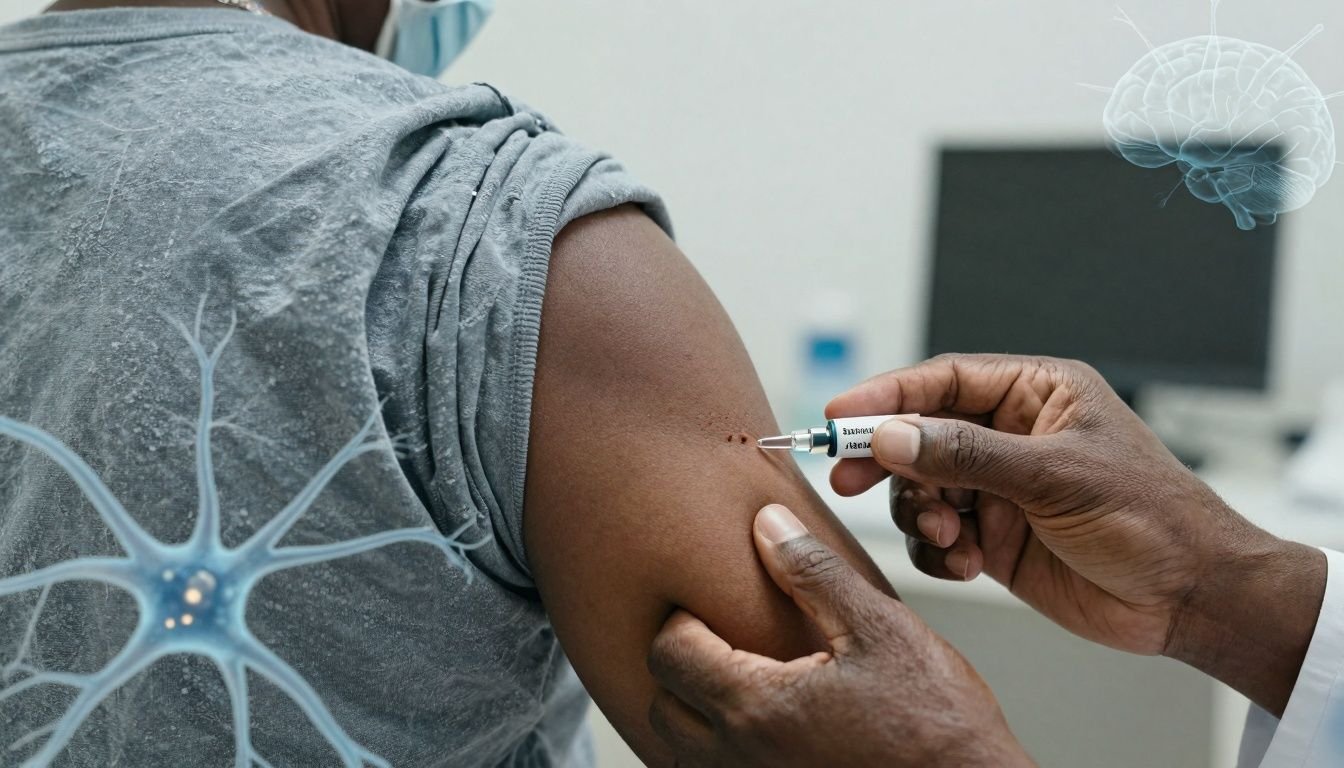
What if a routine vaccine could help protect your brain as you age? New research analyzing an unusual vaccination policy in Wales suggests that the shingles shot, originally designed to prevent a painful rash, may significantly lower the risk of dementia—and, strikingly, might even slow the progress of the disease in people who already have it. The findings, based on meticulously collected health records and published in top-tier journals, are sparking fresh hope and fueling urgent calls for larger trials.
An Unintended Natural Experiment
This story begins with a twist of policy: When Wales began offering the shingles vaccine on September 1, 2013, strict eligibility rules based only on birthdate accidentally set up a natural experiment. Anyone who was exactly 79 on that date could get the vaccine that year. Those just a week older missed the chance for good; those just a week younger would become eligible the following year.
This arbitrary cutoff allowed researchers a unique opportunity. They could compare two groups—nearly identical except for their eligibility to get the vaccine—reducing biases that often cloud health studies. This setup approximates the rigor of a randomized clinical trial, the gold standard in medical research.
Digging into the Data: Linking Shingles, Vaccination, and Dementia
The team, led by researchers at Stanford Medicine, analyzed health records from over 280,000 Welsh adults aged 71 to 88 who did not initially have dementia. They compared outcomes for those just eligible for the vaccine to those just missing out, then tracked the results over seven years.
What emerged was compelling: People who received the shingles shot were about 20% less likely to be diagnosed with dementia over the following years. Notably, these findings held steady no matter how the data were analyzed—by different age cutoffs or health conditions, and after adjusting for education, medical history, and preventive behaviors.
It’s important to emphasize that the main difference between the groups was simply whether or not they could access the vaccine. There were no major discrepancies in other factors that might drive dementia risk.
What Connects Viruses and Brain Decline?
Dementia affects more than 55 million people worldwide, with millions of new cases yearly. For decades, research focused on abnormal proteins in the brain (like those involved in Alzheimer’s disease). But so far, targeting these proteins hasn’t led to major breakthroughs in prevention or treatment.
A new line of thinking is emerging: Could infections play a role in triggering or accelerating dementia? The varicella-zoster virus, which causes chicken pox in childhood and can later reactivate as shingles, is known to linger in nerve cells forever. When it flares up again, it might contribute to long-term brain changes. If a vaccine can lower the chance of the virus reactivating, could this reduce dementia risk as well?
The Vaccine’s Ripple Effects: Beyond Prevention
While the initial findings were already remarkable, the research team didn’t stop there. In a separate analysis, they examined whether the shingles vaccine could help people who already had dementia or who were developing early signs of cognitive trouble.
The signal was again surprisingly strong. Older adults with early cognitive impairment who had the vaccine were less likely to progress to full-blown dementia. Even more strikingly, among people with existing dementia at the program’s start, those vaccinated were significantly less likely to die from the disease in the following years. This hints at possible therapeutic effects—not just prevention.
Why Are Women Seeing Stronger Results?
Digging deeper, the team found that the vaccine’s protective benefits seemed particularly robust in women. Several possibilities could explain this, including women’s generally stronger immune responses to vaccines or differences in how dementia develops between men and women. With women both more likely to get shingles and tend to mount stronger antibody responses, these biological factors are ripe for further exploration.
Still More Questions: How Does It Work, and Which Vaccine Is Best?
Despite the compelling evidence, the exact reason the vaccine helps remains unknown. Does it broadly boost the immune system? Simply stop the virus from reactivating? Or is there another mechanism at play?
Another outstanding question is which version of the vaccine matters most. The studied Welsh program used a live-attenuated (weakened virus) vaccine. A newer, protein-based shingles vaccine is now common in many countries and is even more effective at preventing shingles. Researchers are eager to see if it offers similar—or perhaps greater—protection against dementia.
Global Echoes and the Need for a Large Trial
The findings from Wales are not an isolated case. Similar trends have turned up in other countries, including England, Australia, New Zealand, and Canada, where variations of the shingles vaccine have been rolled out. Consistently, these natural experiments suggest a strong link between vaccination and lower dementia rates.
Still, to truly establish cause and effect, the medical community needs a classic randomized controlled trial—deliberately assigning some participants to receive the vaccine and others a placebo. Such a study would provide the definitive evidence needed to potentially shift vaccine recommendations on a global level.
A Cautious Road to Hope
For now, experts urge caution even as optimism grows. The shingles vaccine is already safe and effective in preventing a very painful condition. But until the results are confirmed in randomized trials, it’s too early to make sweeping claims about its direct benefits for brain health.
Yet the potential is undeniable: millions of cases of dementia worldwide, with only limited options to prevent or slow the disease. If something as simple as a routine vaccine could tip the balance—even slightly—it would mark a dramatic advance.
Reference
Geldsetzer, P., et al. (2024). "A routine shingles shot may offer powerful defense against dementia." Nature. https://www.sciencedaily.com/releases/2025/12/251203004721.htm