How Schizophrenia Reshapes the Brain’s Networks from the Inside Out
Schizophrenia has long puzzled both scientists and clinicians, who have sought to understand how its diverse symptoms — from cognitive difficulties to emotional disturbances — are reflected in the brain’s structure. Groundbreaking new research from the University of Seville offers intriguing insights by pinpointing where brain damage may start in schizophrenia spectrum disorders (SSDs) and how it spreads across interconnected networks.
A Shift from Isolated Damage to Network Disconnection
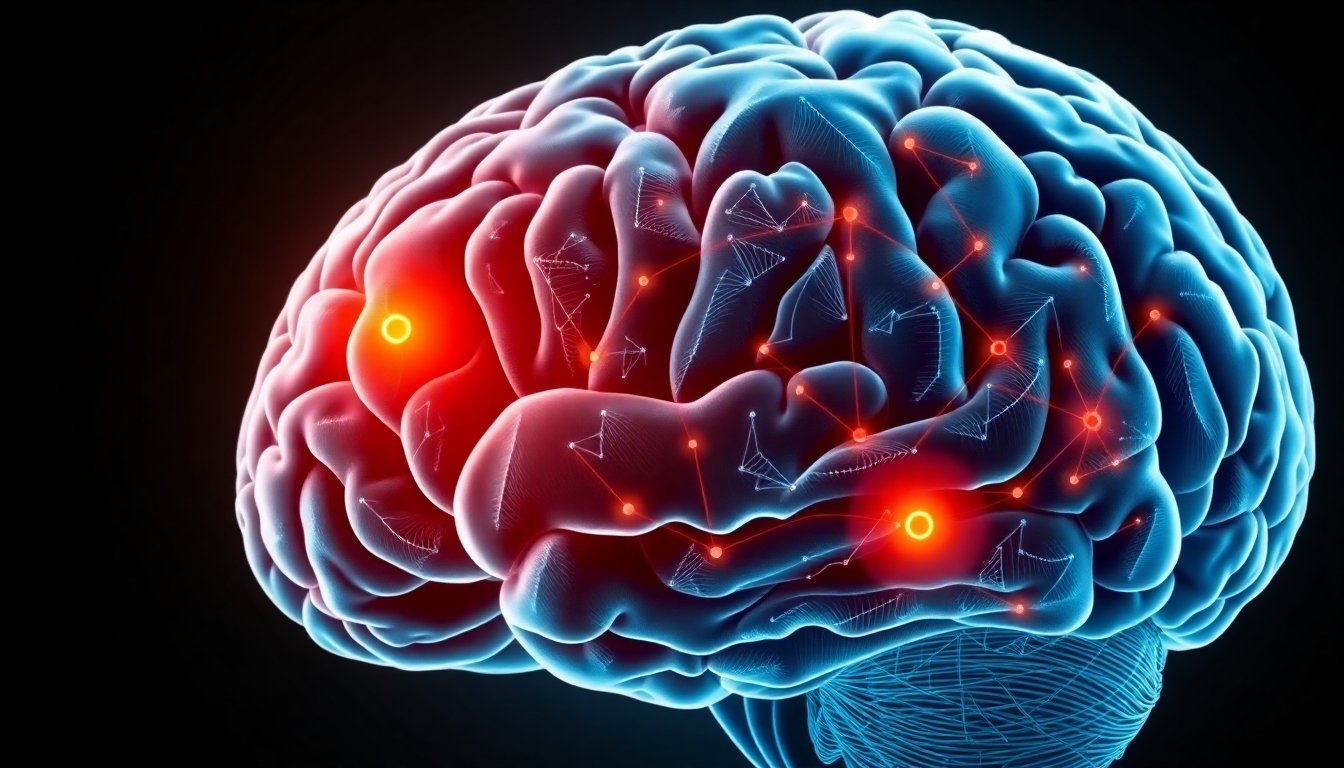
Traditionally, brain research in psychiatric conditions often focused on looking for deficits in distinct regions. However, the latest findings suggest that structural damage in schizophrenia does not occur in isolation. Instead, it appears to begin in specific regions — considered "epicenters" — and then radiates through the brain’s connected networks. This pattern supports the idea that schizophrenia involves progressive, network-level changes rather than damage in one or two separate brain areas.
Where Does the Damage Begin?
Through advanced MRI analysis, researchers found that structural abnormalities appear to originate in higher-order association areas of the temporal, cingulate, and insular lobes. These regions are known for their roles in complex cognitive and emotional processing. In individuals with SSD, these areas showed the greatest morphological alterations, particularly in the early stages of the disorder when compared to neurotypical individuals matched for sex and age.
Understanding Network Disconnection
How did the scientists measure this widespread impact? They utilized a method called Morphometric INverse Divergence (MIND) networks, which compares features derived from brain scans — such as volume, surface area, and cortical thickness. By constructing MIND networks for nearly 200 healthy controls and over 350 individuals with SSD, the researchers could quantify the structural similarity between pairs of brain regions.
In those with schizophrenia spectrum disorders, there was a notable reduction in this similarity, especially in the temporal, cingulate, and insular lobes. Lower similarity values suggest less uniformity in structure — essentially, the brain’s architecture becomes more disconnected.
The Link to Symptoms and Functioning
One particularly compelling aspect of the study is the correlation between the degree of network disconnection and clinical symptoms. Structural dissimilarity was found to be more severe in individuals experiencing greater cognitive impairment and more intense symptoms. In other words, people with the most pronounced disconnection in their brain networks were also those most affected by the disorder in their daily functioning.
Importantly, these brain areas with early damage are not random — they tend to be higher-order regions that mature later in development and are central to advanced cognitive functions. This aligns with the observation that schizophrenia often involves cognitive and emotional symptoms emerging during late adolescence and young adulthood.
What’s Happening at the Cellular Level?
To better understand the biological underpinnings, the study mapped 46 neurobiological features onto the MIND networks. Strikingly, regions with reduced structural similarity in SSDs also showed:
- High astrocyte density: Astrocytes are glial cells involved in supporting neuronal function and synaptic communication.
- Altered neurotransmitter signaling: There were changes in the key chemical messengers dopamine and serotonin, which are already implicated in the pathology of schizophrenia.
- Reduced metabolism and microstructure: These areas showed lower metabolic activity, possibly reflecting impaired energy utilization or structural maintenance.
These findings reinforce that brain changes in schizophrenia are multilayered, intertwining structural variation with neurochemistry and cellular health.
Toward Biomarkers and Individualized Treatments
Understanding that schizophrenia involves both specific early damage and then broad disconnections across brain networks opens new doors for research and therapy. If clinicians can identify where abnormalities begin and how they spread, it may become possible to develop structural biomarkers to track disease progression or guide personalized treatment strategies. Such biomarkers could be tailored to each patient’s unique biological and clinical profile, offering hope for earlier, more targeted interventions.
Conclusion: A Complex Web, Not a Simple Deficit
This study from the University of Seville highlights the importance of viewing the schizophrenic brain not as a collection of isolated deficits, but as a dynamic, interconnected network undergoing progressive change. The focus on network-level disconnection may help explain the wide array of cognitive and emotional symptoms seen in SSDs, and suggests that future treatments should aim at preserving or restoring these critical brain networks.
Reference
García-San-Martín, N., et al. (2024). Reduced brain structural similarity is associated with maturation, neurobiological features, and clinical status in schizophrenia. Nature Communications.