Understanding Why More People Are Experiencing Fear and Discomfort Toward Nature
Nature offers a host of mental and physical health benefits—from reducing stress to enhancing cognitive performance. Yet, a growing body of research highlights a curious and troubling trend: more people than ever are experiencing fear, discomfort, or even disgust toward the natural world. This aversion, known in scientific circles as biophobia, has become an area of intense study as its prevalence impacts not only individual well-being but also our collective approach to conservation and environmental sustainability.
What Is Biophobia?
Biophobia refers to the set of negative emotions such as fear, discomfort, or disgust that some individuals experience when they encounter elements of nature—be it plants, animals, or even natural landscapes. While the well-studied concept of biophilia describes our innate attraction to nature, biophobia is the other side of that coin. And according to new research from Lund University, this aversion is on the rise across age groups and cultures.
"Research has long assumed that people fundamentally feel positive emotions toward nature. We have examined the opposite, that is, when there is a negative relationship with nature, and gathered knowledge about how it arises, what consequences it has, and how it can be reversed," explains Johan Kjellberg Jensen, lead author and researcher at Lund University.
Why Is Biophobia Increasing?
Drawing on a review of nearly 200 articles from fields spanning environmental science to psychology and sociology, the Lund University study sheds light on both the external and internal drivers of biophobia.
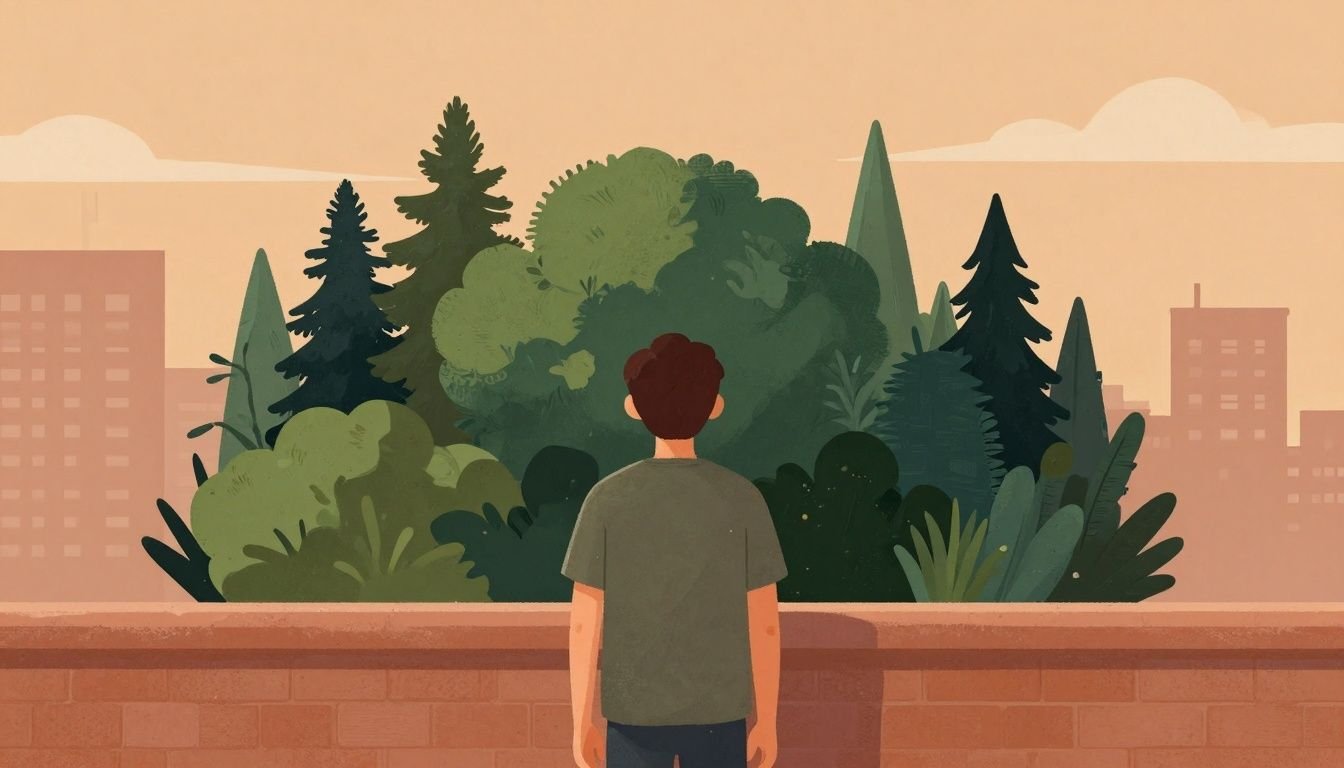
1. Urbanization: As the global population becomes increasingly urbanized, opportunities for meaningful contact with nature dwindle. Children growing up in cities may have limited access to parks, forests, or natural bodies of water. This lack of exposure not only curtails their ability to form positive connections with natural environments but can actually reinforce feelings of unease or fear.
2. Media Narratives: Media portrayals often emphasize the dangers or discomforts associated with the outdoors—think of sensationalized stories about wild animals, poisonous plants, or natural disasters. These narratives shape our collective understanding of nature as something to be wary of rather than embraced.
3. Parental Attitudes and Social Modeling: The way parents and caregivers perceive nature strongly influences the attitudes of the next generation. When adults harbor negative views or anxiety about the outdoors, children are more likely to inherit similar fears.
4. Personal Traits and Health: Individual differences—including one’s health, personality, and emotional characteristics—can play a role in shaping responses to nature. Factors such as previous negative experiences or a naturally anxious disposition may predispose someone to develop biophobia.
The Vicious Cycle of Avoidance
What makes biophobia particularly problematic is its tendency to feed on itself. A lack of experience and knowledge about nature can lead to greater avoidance, which further decreases familiarity and increases discomfort. This negative feedback loop not only prevents individuals from reaping the well-known benefits of time spent outdoors but also spills over into broader attitudes toward conservation.
Johan Kjellberg Jensen calls attention to this dynamic: "A lack of contact with nature and limited knowledge about nature can reinforce each other in a negative spiral. Urbanisation combined with parents’ attitudes can increase negative feelings and perceived danger in nature among children – something which becomes particularly relevant as more and more children grow up in cities."
How Does Biophobia Affect Health and Society?
Missing out on nature has measurable consequences. Time spent in green spaces has been linked to improved mood, reduced stress, and even better school performance in children. When negative emotions toward the outdoors lead to avoidance, individuals lose access to these crucial mental and physical health benefits.
But the implications don’t stop at personal health. Biophobia can foster attitudes and behaviors that work against conservation and sustainability. For instance, a strong aversion to certain animal species—many of which are harmless or beneficial—can impede efforts to protect ecosystems or promote biodiversity in urban environments.
Reversing the Trend: Solutions and Strategies
Given the wide-ranging impact of biophobia, what can be done to counteract its rise? The systematic review offers several avenues of hope:
1. Early Positive Experiences With Nature: Increasing opportunities for young children to engage with the outdoors—whether through schools, community programs, or family activities—can help establish positive associations with nature that are likely to last into adulthood.
2. Greener Urban Spaces: Urban planners and policymakers can design cities to include more parks, community gardens, green rooftops, and accessible natural areas. Not only do these environments expose urban dwellers to nature, but they also support biodiversity and overall ecological health.
3. Educational Initiatives: Programs that teach ecological literacy and encourage respectful, informed engagement with nature can dispel myths and alleviate unfounded fears.
4. Understanding and Addressing Individual Differences: Recognizing that each person’s relationship with nature is unique, interventions may need to be tailored—some individuals may benefit from structured nature experiences, while others may do better with gradual, knowledge-based exposure.
Johan Kjellberg Jensen emphasizes the need for continued interdisciplinary research and practical action, concluding, "The phenomenon of biophobia is broad and requires a diverse toolkit. In some cases, it is about increasing knowledge and contact with nature; in others, it could be about reducing points of conflict between humans and nature. We need to understand the mechanisms behind the negative emotions better to reverse the trend."
Looking Forward
Biophobia challenges our narrative of humans as natural-born nature lovers. By understanding its roots and addressing both external and internal factors, we can hope to restore not only our individual relationships with the outdoors but also reinforce a future where communities and ecosystems thrive together.
Reference:
Jensen, J. K., et al. (2024). Toward a unified understanding of people’s aversion to nature: biophobia. Frontiers in Ecology and the Environment. https://neurosciencenews.com/biophobia-neuroscience-30018/