How Painting, Dancing, and Even Gaming May Help Slow Brain Aging
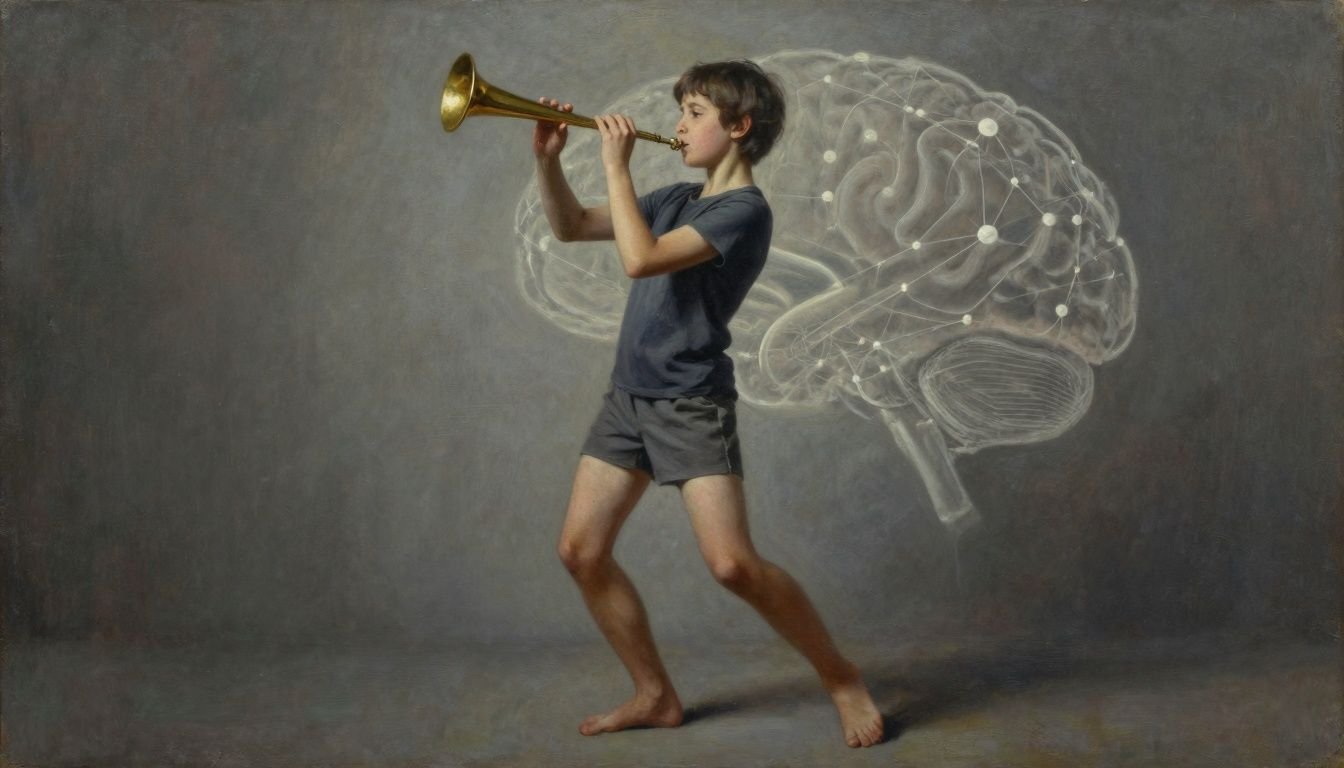
What if you could help keep your brain younger just by tapping into your creativity? A ground-breaking international study now suggests that regular creative activities – from dancing and painting, to playing musical instruments or strategic video games – are linked to a “younger” brain and slower signs of brain aging.
Uncovering the Link Between Creativity and Brain Health
A team of neuroscientists, led by researchers from SWPS University, analyzed extensive neuroimaging data and personal surveys from over 1,400 participants spanning 13 different countries, including Turkey, Italy, Cuba, Argentina, Canada, Germany, and Poland. Their findings, published in Nature Communications, point to a compelling connection: those deeply engaged in creative pursuits demonstrated brain patterns typically associated with delayed neural aging.
Importantly, the benefits weren’t limited to a single area of creativity. People who participated long-term in activities like dancing (specifically tango), playing an instrument, creating visual art, or engaging in strategy-based video games all showed similar, brain-protective outcomes.
What Makes a Brain Look “Younger”?
To quantify brain aging, the team used advanced computational models known as “brain clocks.” These systems estimate an individual’s “brain age” by analyzing neuroimaging data, comparing it to their actual chronological age, and measuring something called the brain-age gap (BAG). A lower or negative brain-age gap means a person’s brain appears younger than their actual age.
Brain clocks have already made an impact in medical research, helping to identify accelerated aging in people with certain neurological conditions or unhealthy lifestyles. In this study, people with higher creative engagement tended to display a lower brain-age gap—concrete evidence that their brains may be aging more slowly.
From Music to Gaming: Creativity Comes in Many Forms
Traditionally, when we think about creativity, art or music comes to mind. But the study’s authors highlight that even strategic video games like StarCraft II stimulate similar cognitive processes—demanding innovative solutions, adaptability, and personalized tactics. All these activities challenge the brain to create, imagine, and strategize in novel ways, which appears to help maintain and reinforce neural networks that often weaken with age.
How Experience Matters
A key takeaway from the research is that the more someone invests in creative activity, the stronger the positive effect. Those with years of experience in their creative fields—long-time dancers, musicians, artists, and gamers—showed the greatest delay in brain aging. Long-term practice seems to be more effective at promoting brain health compared to short-term dabbling.
However, the study also delivered some encouraging news: Even a relatively short, focused period of creative training—around 30 hours over several weeks—produced measurable changes in brain-aging markers. So, while mastery amplifies the benefits, it’s never too late to make a difference.
Creativity and Brain Plasticity
What, then, is happening inside the creative brain? The researchers found that engaging in creative activities increased the plasticity and efficiency of several brain networks critical to attention, coordination, and problem-solving. Specifically, improvements were observed in the frontoparietal hubs—key regions that support agile thinking and adaptive behaviors.
These changes suggest that creativity supports our brain’s network architecture, optimizing how information is processed and transferred as we age. Such enhancements may account for the observed brain-age gap in creatively active individuals.
Practical Steps for a Healthier Brain
These discoveries offer more than just fascinating trivia; they have clear implications for public health and education. Incorporating creative activities—whether music, visual art, dance, or gameplay—into daily routines, school curricula, and even healthcare settings could become a simple, accessible way for more people to support their brain health across their lifespans.
“The study shows that creative engagement doesn’t just enrich our lives—it may actually help keep our brains younger,” says Professor Aneta Brzezicka, co-author and psychologist at SWPS University. “We hope these insights encourage everyone to tap into their creative potential, regardless of age or previous experience.”
No Single Path to Creativity
While all creative activities examined yielded similar benefits for the brain, the common thread was active engagement: activities that required imagination, innovation, and resourcefulness. Whether you find yourself moved by music, inspired by painting, thrilled by dance, or strategic in gameplay, the act of creating appears to be the ingredient that matters most.
Key Takeaways
- Creative activity is linked to delayed brain aging, as shown by advanced imaging analysis.
- Experience amplifies the effect—but even shorter-term creative engagement can benefit brain health.
- Different creative domains—music, art, dance, video games—showed similar brain-protective results.
- Creative engagement boosts brain plasticity and efficiency, especially in regions related to attention, coordination, and problem-solving.
So, the next time you pick up a paintbrush, step onto a dance floor, or fire up a challenging video game, remember: you’re not just having fun—you might be helping your brain stay youthful for years to come.
Reference:
Brzezicka, A., Kowalczyk-Grębska, N., & Jakubowska, N. (2024). Creative experiences and brain clocks. Nature Communications.