A new study peers inside the minds of die-hard soccer fans, uncovering the neural tug-of-war between ecstatic reward and diminished self-control that drives fanaticism far beyond the stadium.
The collective gasp of a crowd, the unified roar of celebration, the gut-wrenching despair of a last-minute loss. For billions around the globe, sports—especially soccer—are more than just a game. They are a core part of identity, a source of community, and a trigger for some of our most intense emotions. But what exactly is happening in our heads when our team scores against its bitter rival? Why can a referee’s call feel like a personal injustice? A groundbreaking study offers a glimpse into the neuroscience of fandom, revealing that the passion of a sports rivalry dramatically reconfigures the brain, lighting up reward circuits while silencing the voice of reason.
Inside the Mind of a Supporter
To understand the biological roots of fanaticism, researchers needed a perfect model—a context where group identity is fierce, emotions run high, and the stakes feel monumental. They found it in the world of professional soccer. "Soccer fandom provides a high-ecological-validity model of fanaticism with quantifiable life consequences for health and collective behavior," explains lead author Dr. Francisco Zamorano, a biologist and researcher at Universidad San Sebastián in Chile.
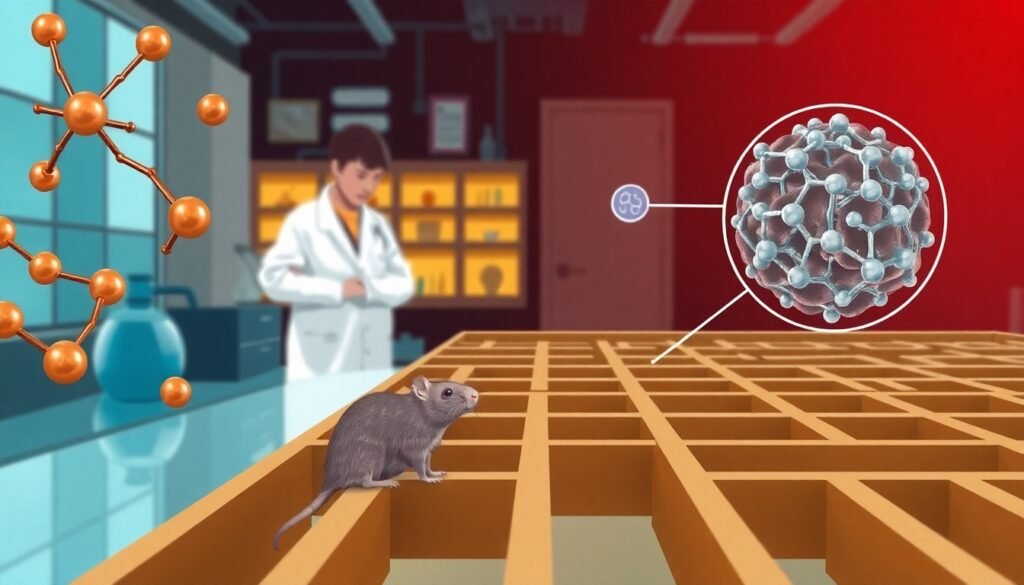
The research team recruited 60 healthy male fans of two historic rival soccer clubs. These weren’t just casual viewers; their dedication was measured using the Football Supporters Fanaticism Scale, which assesses everything from a fan’s sense of belonging to their inclination toward aggression. The participants were then placed inside a functional MRI (fMRI) scanner, a machine that measures brain activity by tracking blood flow. While inside, they watched a series of 63 short clips of goals. Some clips showed their own team scoring, others showed their rival team scoring against them, and some featured neutral teams as a control. The goal was to map the brain’s real-time reaction to the highs of victory and the lows of defeat in a high-stakes context.
When Reward Overpowers Control
The fMRI scans revealed a dramatic and immediate shift in brain activity, a neural tug-of-war that hinged entirely on who was scoring against whom.
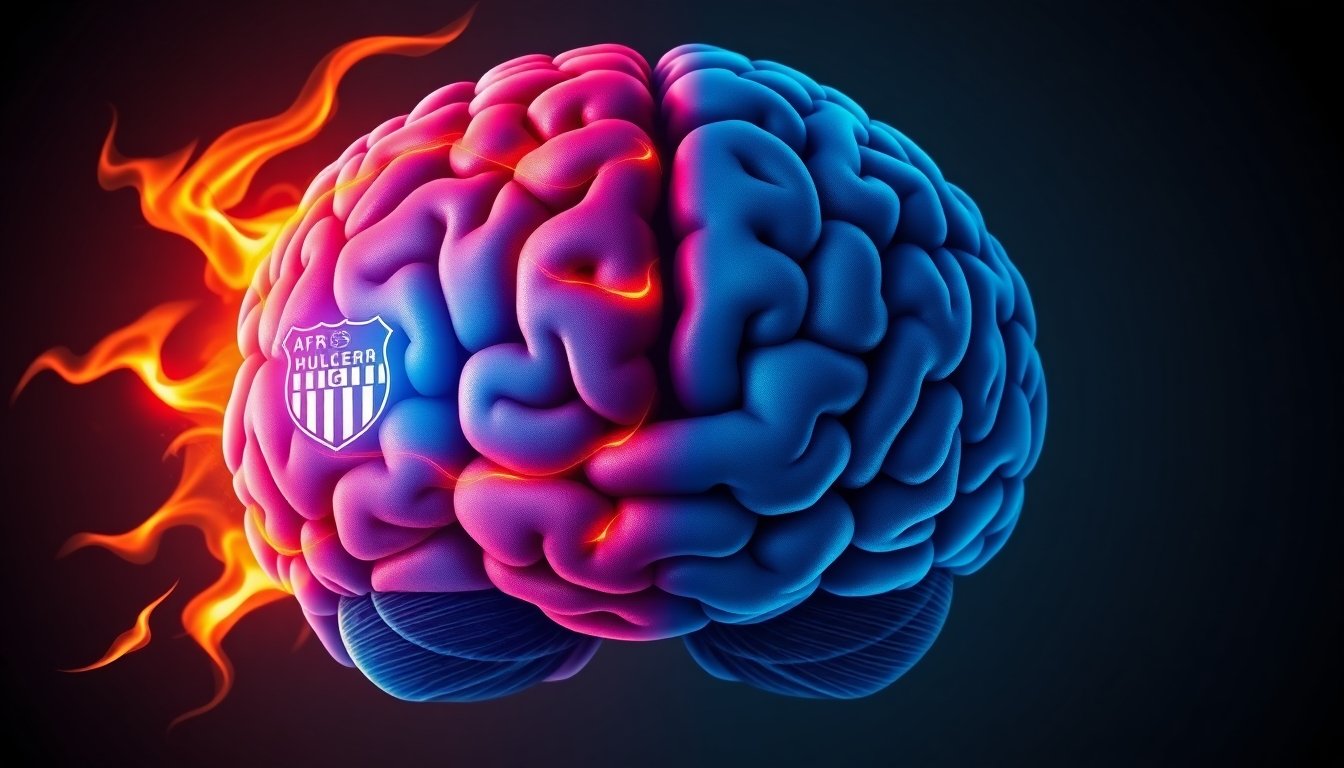
When a fan watched their team score a goal against their arch-rival, their brain’s reward circuitry went into overdrive. These regions, rich in dopamine, are the same ones that respond to food, money, and other fundamental pleasures. The activity was significantly higher than when their team scored against a non-rival, suggesting that the rivalry itself amplifies the feeling of victory. This neural surge reinforces the in-group bond, making the team’s success feel like a personal triumph.
But the most startling discovery came when the tables were turned. When a fan watched their rival score against their team, something unexpected happened in the dorsal anterior cingulate cortex (dACC). The dACC is a critical hub for cognitive control—think of it as the brain’s executive decision-maker, responsible for regulating impulses, managing conflict, and maintaining self-control. Logically, you might expect this area to fire up as a fan tries to suppress their anger or disappointment. Instead, the researchers observed what they call "paradoxical suppression." The control center went quiet.
"Rivalry rapidly reconfigures the brain’s valuation-control balance within seconds," Dr. Zamorano states. In the face of a significant defeat, the brain’s self-control mechanism effectively goes offline. This creates a dangerous cocktail: the emotional, reward-seeking parts of the brain are already primed by the rivalry, and now the system responsible for keeping those emotions in check is suppressed. It’s the neurological equivalent of flooring the gas pedal while the brakes simultaneously fail, explaining why a fan might react with an impulsive, uncontrolled burst of rage at a perceived injustice on the field.

Beyond the Stadium: A Model for Modern Conflict
The implications of this "reward up, control down" signature extend far beyond the sports arena. The researchers argue that this same neural mechanism likely underpins other, more destructive forms of fanaticism, from intense political polarization to sectarian violence. When a group identity feels threatened, the brain may be hardwired to prioritize tribal loyalty over rational self-control.
"The same neural signature…likely generalizes beyond sport to political and sectarian conflicts," Dr. Zamorano warns. This provides a powerful lens through which to view the social and political tensions of our time. The study points to the January 6, 2021, U.S. Capitol assault as a chilling real-world example. The participants, driven by an intense group identity and a sense of threat, exhibited behaviors consistent with a breakdown in cognitive control. "The participants showed classic signs of compromised cognitive control, exactly what our study found in the reduced dACC activation," Zamorano notes.
By studying soccer fandom, scientists can ethically and safely explore the mechanisms that can lead to social breakdown. It becomes a controlled environment to understand how group identity can override democratic norms, fuel online tribalism, and escalate conflict.
The Roots of Fanaticism and a Path to Prevention
Perhaps the study’s most profound message is about where these neural vulnerabilities originate. This tendency for our brains to be hijacked by rivalry isn’t something that appears fully formed in adulthood. It’s sculpted over years, beginning in our earliest moments.
"Most importantly, these very circuits are forged in early life," says Dr. Zamorano. "Caregiving quality, stress exposure, and social learning sculpt the valuation-control balance that later makes individuals vulnerable to fanatic appeals."
This shifts the conversation from simply managing fanatic behavior to preventing it at its source. A society that invests in healthy childhood development—one that provides secure attachments, minimizes early life stress, and teaches constructive social behavior—is actively building brains that are more resilient to the dangerous pull of fanaticism. "Societies that neglect early development do not avoid fanaticism; they inherit its harms," Zamorano concludes.
In essence, investigating the brain of a soccer fan is not just a niche scientific curiosity. It is a developmentally informed approach to public health and a strategy for strengthening social cohesion. The passion we feel for our teams is a beautiful and powerful part of the human experience. But this research reminds us that when that passion is rooted in rivalry, a delicate balance is struck in the brain—one that can tip easily from joyous celebration into dangerous division. Understanding that tipping point is more critical now than ever.
Reference
Radiological Society of North America. (2025, November 11). What brain scans reveal about soccer fans’ passion and rage. ScienceDaily. Retrieved from www.sciencedaily.com/releases/2025/11/251111233952.htm