Subtitle: How a Three-Minute EEG Could Revolutionize Early Diagnosis for Memory Impairment
Alzheimer’s disease is notorious for its silent early progression. By the time memory loss and other symptoms surface, much of the subtle brain damage has already occurred, making effective intervention harder. But what if doctors could spot the warning signs of Alzheimer’s years—even decades—before noticeable symptoms begin? A new study from the University of Bath and the University of Bristol introduces an exciting leap forward: a simple, fast, and affordable brainwave test called Fastball EEG.

What is the Fastball Test?
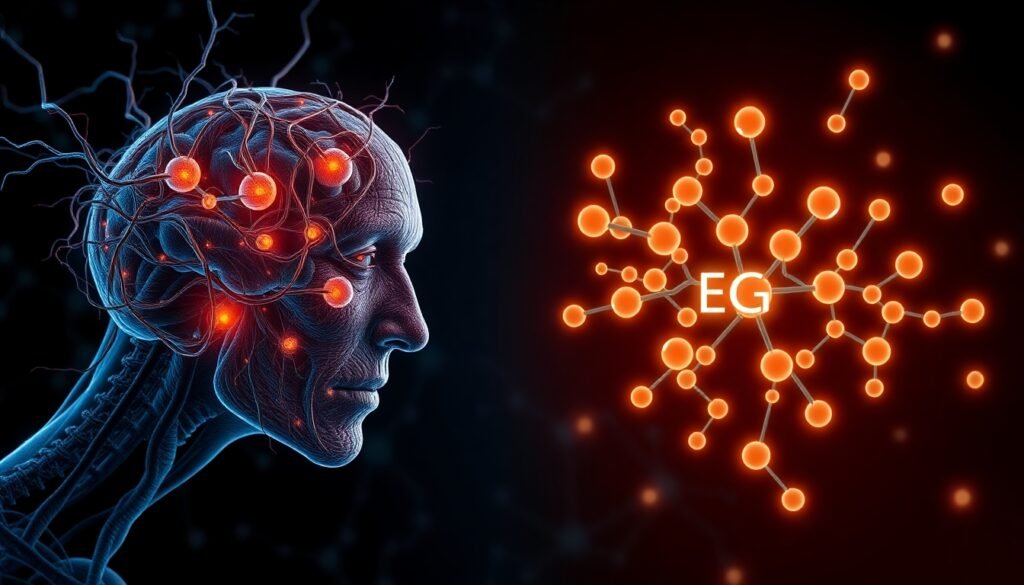
Developed by cognitive neuroscientist Dr. George Stothart and colleagues, the Fastball test is a passive EEG (electroencephalogram). Instead of asking people to remember lists or respond to questions, Fastball simply tracks how the brain automatically reacts to a rapid sequence of visual images. The test itself takes just three minutes and requires no active participation, making it accessible for people with various cognitive abilities or those uncomfortable with traditional testing.
This research, published in Brain Communications, built on earlier findings from 2021. While the original studies demonstrated Fastball’s sensitivity in hospital settings, this new work confirms it works just as well in the comfort of people’s homes.
Why Early Detection Matters
Alzheimer’s typically begins decades before clear-cut memory issues appear. Previously, diagnostic tools struggled to pick up on these early brain changes. Dr. Stothart explains, “We’re missing the first 10 to 20 years of Alzheimer’s with current diagnostic tools. Fastball offers a way to change that—detecting memory decline far earlier and more objectively, using a quick and passive test.”
This matters now more than ever. Recent advances, such as the development of new Alzheimer’s drugs like donanemab and lecanemab, demonstrate that treatment is most effective at the earliest stages of the disease. Yet, in England alone, one in three people experiencing dementia symptoms remain undiagnosed, delaying access to these treatments, support systems, and the opportunity to participate in research.
How Does Fastball Work?
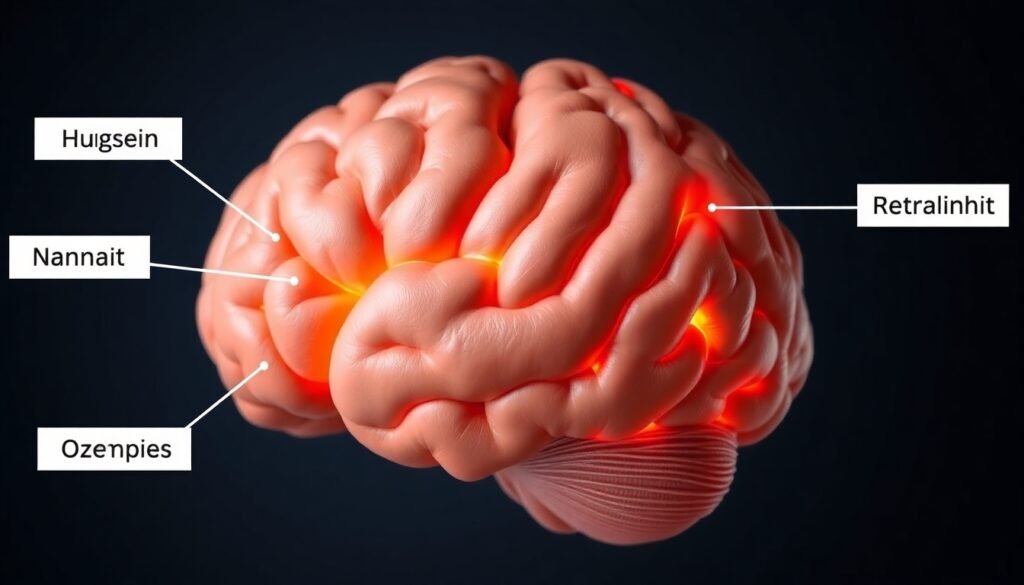
Fastball leverages the power of the EEG—an array of sensors recording the brain’s electrical activity. During the test, participants simply look at a series of rapidly presented images. The test does not require any mental effort, memory retrieval, or specific instructions; it’s the brain’s automatic response that is being measured. Patterns in this unconscious brainwave activity can reveal very early disturbances in memory, often before a person even notices symptoms.
Key Findings from the Study
The study’s results are striking:
- Sensitive to Early Memory Decline: Fastball reliably detected memory problems in people with Mild Cognitive Impairment (MCI), a condition that often leads to Alzheimer’s but can precede a diagnosis by several years.
- Works in the Home: Crucially, the test delivered robust, reliable results when used outside the controlled environment of a laboratory, including in participants’ own homes.
- Predictive Potential: It picked up on reduced memory responses in people who later went on to develop dementia, suggesting its potential as an early warning tool.
According to the researchers, Fastball could become a practical part of routine screening at GP surgeries, memory clinics, or even home-based monitoring. Its low cost, portability, and noninvasive nature make it uniquely scalable for widespread use.
Transforming Access to Diagnosis
Chris Williams, CEO of the dementia research charity BRACE—which helped fund the study—highlights the implications: “Fastball is an incredible tool that could offer anyone who, for whatever reason, cannot access a dementia diagnosis in a clinical setting.” Barriers such as geographic isolation, limited mobility, or health system constraints could be dramatically reduced if such simple tests become widely available.
Challenges and the Road Ahead
While Fastball is promising, more work remains. Researchers must validate the tool in larger, more diverse populations and over longer follow-up periods. It’s also not yet clear exactly how soon Fastball can detect changes before clinical symptoms set in or how it compares head-to-head with other diagnostic techniques like PET scans or biomarker analysis.
Nonetheless, the door to earlier, easier diagnosis is opening. As new Alzheimer’s drugs reach patients, tools like Fastball could ensure that more people are diagnosed in time to benefit from these treatments and plan for their future.
Conclusion
Early detection of Alzheimer’s is one of medicine’s most urgent needs. Fastball, with its blend of speed, affordability, and accuracy—in both clinic and home settings—could prove to be the breakthrough that finally tips the balance. As this technology progresses through further research and refinement, it holds hope not only for earlier intervention but also for empowering patients and families facing one of life’s most difficult challenges.
Reference:
Stothart, G., et al. (2024). "A 3-minute brainwave test could spot Alzheimer’s years before symptoms." Brain Communications. https://www.sciencedaily.com/releases/2025/09/250904014153.htm